Common Skydiving Progression Mistakes: Analytical Training Guide for Sport Jumpers
Earning a sports skydiving credential introduces an athlete to a demanding environment where physical coordination and risk management must align perfectly. Aspiring jumpers frequently discover that the transition from a highly supervised student status to an independent skydiver brings subtle psychological and operational challenges. The learning curve is steep, and progress is shaped by weather consistency, aircraft availability, and individual emotional control. Without systematic planning, enthusiasts often encounter developmental plateaus that stall their advancement and compromise safety margins.
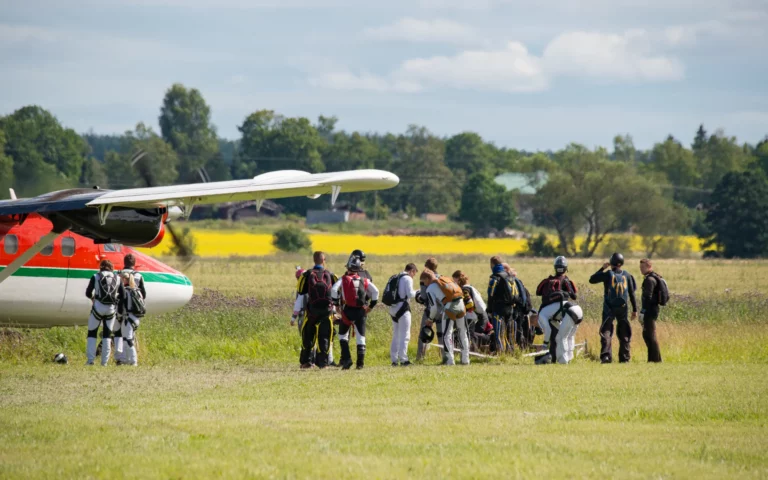
The modern framework of parachuting education has transitioned away from military-style mass drop methods toward highly personalized, performance-driven instructional curriculums. Modern drop zones function as fast-paced aviation facilities where student throughput and safety regulations must coexist harmoniously. Within this high-pressure context, athletes often misunderstand the difference between surviving a jump and mastering the specific skills required for that level. This widespread misunderstanding frequently results in a premature push toward advanced disciplines before foundational habits are fully locked in.
True mastery of skydiving progression demands a clear comprehension of canopy flight dynamics, aerodynamic body controls, and cognitive processing limits under high stress. By exploring systemic instructional errors, equipment down-sizing variables, and wind tunnel training integration, this text provides an objective operational blueprint. This comprehensive analysis serves as a definitive reference asset for athletes, safety officers, and instructional staffs who require a deep understanding of human performance limits in flight.
Understanding “common skydiving progression mistakes”
Multi-Perspective Educational Metrics
Analyzing common skydiving progression mistakes requires a comprehensive approach that connects the business models of drop zones with individual human learning patterns. From an instructional viewpoint, progress is measured by an athlete’s ability to remain aware of their environment and perform emergency procedures flawlessly during high-stress moments. Drop zone safety officers evaluate progress through consistent landing accuracy, strict pattern awareness, and predictable choices in the sky. Conversely, student jumpers often focus too much on external milestones, such as reaching a specific jump count or downsizing to a faster parachute model.
Integrating these different perspectives reveals that early skill development is highly vulnerable to rushing and taking shortcuts. An exclusive focus on counting jumps often hides dangerous gaps in an athlete’s foundational safety habits.
Common Misunderstandings and Oversimplifications
A widespread error in sport parachuting is equating survival with skill mastery. If a jumper lands safely after an uncontrolled freefall or a messy landing pattern, they may mistakenly believe they have mastered that technique. This confusion breeds a false sense of security, encouraging the athlete to try advanced maneuvers before their survival reflexes are fully dependable.
Another common misunderstanding is assuming that spending money on advanced, high-performance equipment can compensate for weak basic flying skills. Buying a fast canopy early actually increases the physical demands on the jumper, reducing their cognitive bandwidth during tight landing approaches. Premium gear cannot replace the deep muscle memory built through patient ground drills and repetitive, unhurried air practice.
Aerodynamic Dynamics and Cognitive Overload
To understand the mechanics of common skydiving progression mistakes, one must examine how high-speed airflows interact with human physical performance. At terminal velocity, which averages 120 miles per hour, small shifts in body position alter flight trajectories instantly. Making these physical corrections requires continuous visual tracking and rapid muscle adjustments, which can easily overwhelm a novice jumper’s focus.
When sensory overload strikes, a jumper’s field of vision narrows, slowing down their reaction times and muddying their spatial awareness. This cognitive breakdown can cause them to lose track of time or miss altitude checkpoints, which are critical safety triggers for deploying the parachute. Recognizing these human limits helps training schools design safe progression tracks that build skills incrementally, protecting students from dangerous mental exhaustion.
Deep Contextual Background: The Evolution of Parachuting Pedagogy
The Military Legacy and Line Progression
Early civilian skydiving instruction grew directly from mid-century military paratrooper training systems. These traditional programs relied heavily on static line deployments, where a cord anchored to the aircraft automatically pulled open the parachute container upon exit. This approach prioritized safe troop drops over teaching students how to control their bodies during high-altitude freefall.
As sport jumping gained popularity, instructors noticed that static-line training extended the time needed to build freefall confidence. Students spent numerous low-altitude flights mastering basic stability skills that could be taught much faster through direct freefall coaching. This pedagogical limitation triggered a push for alternative training methods that could streamline the licensing process without lowering safety standards.
Direct High-Altitude Coaching Innovations
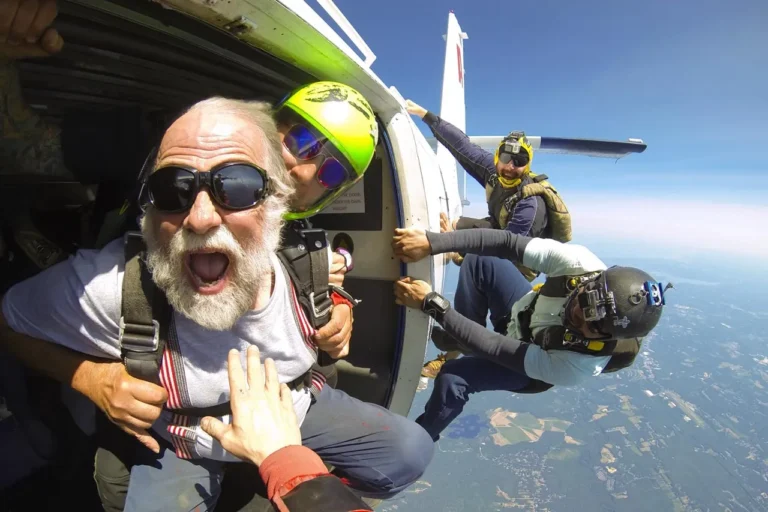
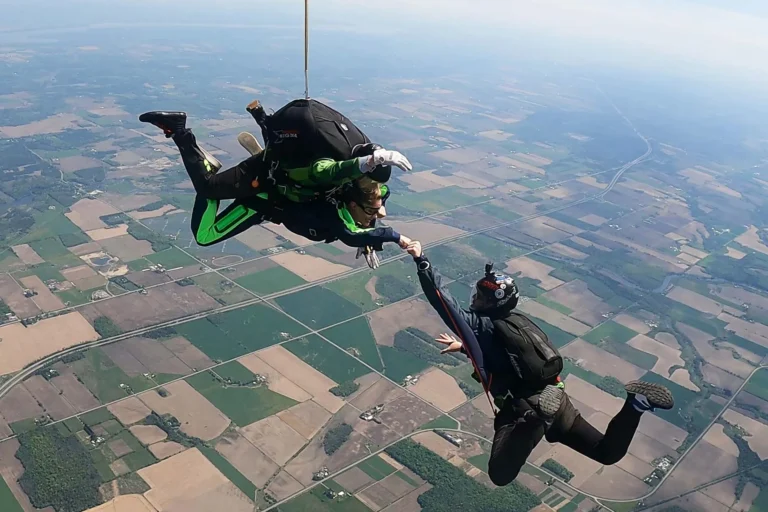
The introduction of the Accelerated Freefall (AFF) curriculum in the late 1970s marked a major shift in parachuting instruction. AFF bypassed the static line phase entirely, putting students into 50-second freefalls from 13,000 feet on their very first jump. Two certified instructors held the student’s harness in flight, providing real-time hand signals to correct body position and instability.
This direct method allowed students to build spatial awareness and freefall skills much faster than older, low-altitude methods. While an AFF jump cost more upfront, the faster progression reduced the total number of flights needed to earn a license. This efficiency made AFF the gold standard for drop zones worldwide, fundamentally changing how student training budgets were planned.
The Modern Wind Tunnel Training Shift
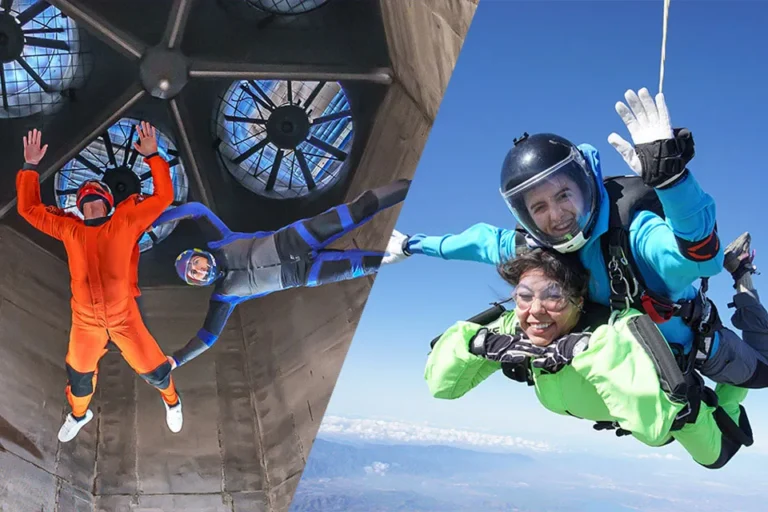
The widespread availability of vertical wind tunnels in the early 2000s added another layer of efficiency to skydiving education. Tunnels allow students to practice freefall positions in a controlled environment without the logistics of aircraft flights and parachute deployments. Instructors can physically adjust a student’s body positioning continuously, compressing hours of skydiving experience into minutes of flight time.
Modern skydiving programs frequently combine wind tunnel coaching with traditional AFF jumps into streamlined courses. This approach helps students master body flight controls on the ground, dramatically lowering the risk of failing expensive air jumps. Today, optimizing the balance between tunnel time and plane jumps is the most effective strategy for managing training costs and avoiding common skydiving progression mistakes.
Conceptual Frameworks and Mental Models of Skill Acquisition
The Cognitive Bandwidth Preservation Framework
The Cognitive Bandwidth Preservation model states that flight safety increases when survival skills are practiced until they become completely automatic. Learning skydiving requires building complex muscle memory while managing intense survival reflexes under high emotional stress. When safety habits are overlearned on the ground, the brain frees up mental energy to monitor altitude and navigate landing zones effectively.
This model shows that automated safety habits protect jumpers from the dangerous mental exhaustion that can strike during unexpected equipment issues. It emphasizes that spending time on intensive ground drills is a critical prerequisite for handling advanced flight environments safely.
The Canopy Performance Matrix
The Canopy Performance model maps an athlete’s physical weight and skill level against the speed and flight characteristics of different parachute sizes. As a jumper transitions to smaller, higher-performance wings, the canopy’s reaction to control inputs becomes significantly faster and less forgiving. This accelerated responsiveness demands precise steering inputs and flawless altitude judgments during landing approaches.
A high wing-loading ratio increases flight speeds and steepens landing descents, leaving zero room for steering errors near the ground. Understanding this mathematical relationship helps jumpers resist the urge to downsize too quickly, protecting them from severe landing accidents.
The Skill-to-Risk Alignment Asset Model
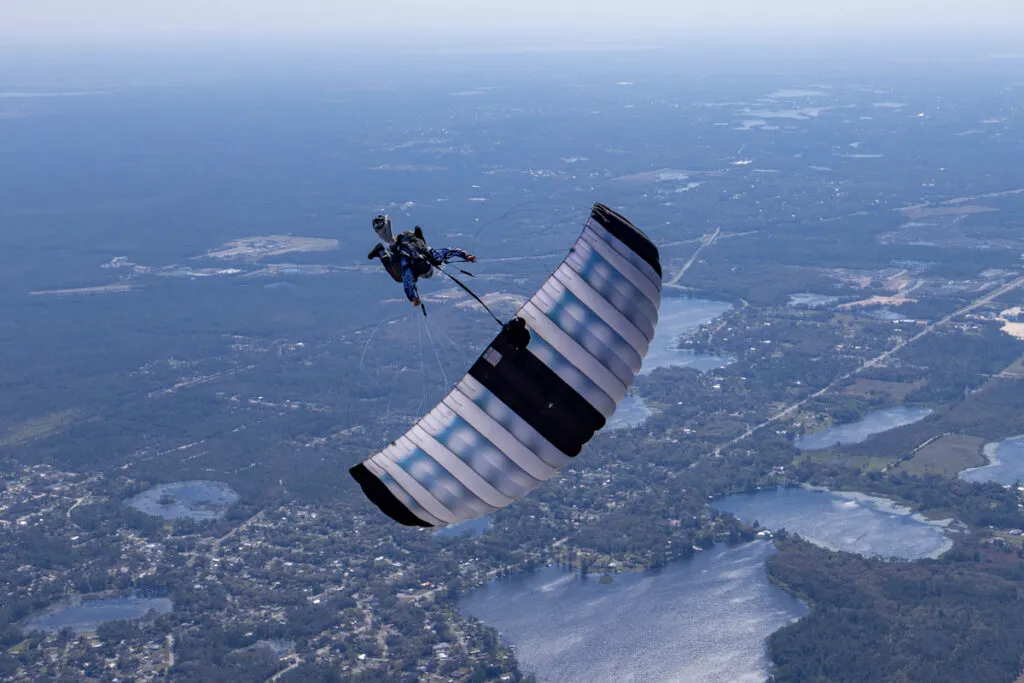
The Skill-to-Risk Alignment model encourages jumpers to analyze how their technical abilities compare to the complexity of the disciplines they want to try. Advanced pursuits like wingsuit flight, high-speed canopy swooping, or tight camera work demand rock-solid freefall stability and flawless canopy control. Entering these specialized fields prematurely without deep foundational skills introduces extreme risk.
This framework helps jumpers identify the exact skill benchmarks required before moving into more challenging areas of the sport. It emphasizes that long-term safety relies on completing objective training progressions rather than chasing quick social milestones.
Key Categories and Variations of Progression Hurdles
Freefall Instability and Axis Rotation Errors
Freefall instability represents a common physical hurdle that frequently appears during the transition from student status to solo flight. Novice jumpers often struggle with unwanted turns, altitude awareness loss, or uncontrollable back-sliding caused by asymmetric body positioning. These flight errors usually stem from muscle tension, poor hip placement, or incorrect reactions to the high-speed relative wind.
If an athlete deploys their parachute while unstable, the twisting forces can cause severe line twists or canopy damage. Resolving these freefall issues requires dedicated, one-on-one coaching and focused practice in vertical wind tunnels to build clean, symmetric muscle memory. Addressing these stability flaws early protects jumpers from dangerous equipment emergencies during deployment.
Premature Canopy Downsizing Tracks
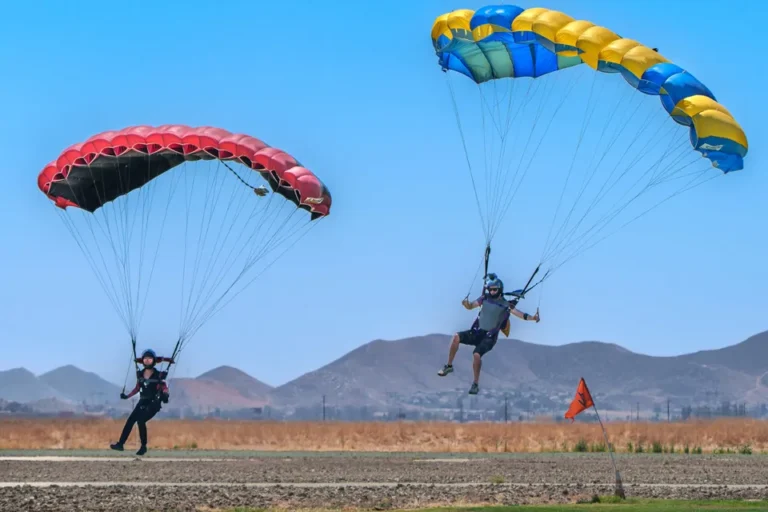
Premature canopy downsizing is one of the most critical safety issues in modern sport skydiving progression. Novice jumpers often feel social pressure to buy smaller, faster parachutes before mastering the flight characteristics of their current wing. This rushed down-sizing reduces their recovery margins, turning minor steering mistakes near the ground into high-speed impacts.
Mastering a canopy size requires landing consistently across a wide variety of challenging environments, including crosswinds, tight spaces, and high-altitude drop zones. Jumpers must resist the temptation of quick gear upgrades, prioritizing deep flight mastery over small equipment sizes. Staying on a large, stable wing builds the reliable navigation habits needed for a long, injury-free jumping career.
The Jump-Count Mentality Trait
The jump-count mentality is a psychological trap where an athlete uses their total number of flights as a substitute for real technical skill. Many regulatory milestones, such as license upgrades and discipline ratings, rely heavily on hit targets within a jumper’s logbook. However, simply accumulation flights without focusing on specific learning goals can lead to empty progression, where skills lag far behind paper qualifications.
This performance gap becomes highly dangerous when an unseasoned jumper uses their license level to join complex formation flights that match their credentials but exceed their actual abilities. True competency is demonstrated by consistent flight control and cool-headed emergency handling, not by numbers written in a logbook. Jumpers must shift their focus from raw counts toward regular, objective skills evaluations with trusted coaches.
Detailed Real-World Scenarios and Analytical Case Studies
Scenario A: The Discontinuous Fast-Track Student
An ambitious student completes their initial AFF training over a single high-intensity week at a major desert training center. After returning home, they face bad weather and busy work schedules, managing to visit their local drop zone only once every four weeks. During these infrequent visits, they struggle with altitude awareness and exhibit erratic canopy control during landing approaches.
-
Core Vulnerabilities: Long training gaps erode short-term muscle memory, creating a dangerous cycle of unstable flights and high emotional stress.
-
Immediate Field Steps: The jumper must pause solo flights and complete ten minutes of focused coaching in a vertical wind tunnel to rebuild core stability. They should also arrange a dedicated weekend block to execute back-to-back jumps with an experienced instructor.
-
Preventative Adjustment: Future training schedules should be planned around reliable weather seasons to ensure the consistent practice needed to lock in safety habits.
Scenario B: The Accelerated Downsizing Accident
A newly licensed jumper with eighty total flights decides to buy a high-performance, elliptical 150-square-foot canopy, stepping down from a stable 190-square-foot model. During a routine weekend afternoon jump, they encounter a unexpected thermal wind shift on their final landing approach. Panicking close to the ground, they make a sharp, aggressive steering input, causing the fast wing to dive rapidly into the grass.
-
Core Vulnerabilities: Choosing a highly reactive canopy too early leaves zero safety margin for recovering from panic steering errors near the ground.
-
Immediate Field Steps: Safety officers must ground the jumper until their equipment choice is reviewed by a master rigger. The injured athlete needs to return to a larger, more forgiving canopy size until they pass a dedicated canopy control course.
-
Preventative Adjustment: Drop zones should enforce strict canopy sizing rules based on verified landing accuracy rather than arbitrary logbook numbers.
Scenario C: Rushed Entry Into Advanced Wingsuit Disciplines
A jumper hits their 200th flight milestone and immediately purchases a large, advanced wingsuit, eager to join experienced tracking teams. Although they meet the minimum jump count required by regulations, their logbook shows weak tracking skills and poor belly-to-earth stability. On their first wingsuit exit, the sudden aerodynamic forces cause them to spin violently out of control, leading to a dangerous near-collision with the plane’s tail.
-
Core Vulnerabilities: Relying strictly on raw jump counts to enter complex aerodynamic disciplines without mastering basic body flight control.
-
Immediate Field Steps: The jumper’s wingsuit clearance must be revoked immediately by the drop zone safety officer. They need to spend a minimum of fifty additional flights working with a qualified wingsuit coach on a small, beginner-friendly suit.
-
Preventative Adjustment: Specialized ratings should require practical skills tests and direct recommendations from mentors rather than simple logbook totals.
Planning, Cost, and Resource Dynamics in Aviation Athletics
Direct Budgetary Requirements
Managing skydiving training costs requires a detailed breakdown of how drop zone infrastructure shapes pricing models. Parachute operations face significant fixed overhead, including high-cost aviation fuel, professional pilot fees, and mandatory safety inspections. Because these flight expenses are non-negotiable, the cost of a standard lift ticket remains fixed, leaving little room for deep discounts.
Jumpers can optimize their training budgets by purchasing bulk lift ticket packages and entering structured coaching programs early. These structured bundles reduce the cost of individual flights while ensuring every jump focuses on clear skill milestones. Investing in professional coaching early protects athletes from the high cost of repeating failed license levels down the road.
Indirect and Opportunity Costs
The real cost of a skydiving career extends far beyond the prices listed at the manifest window or gear shop. Long weekly commutes to distant airports add noticeable expenses in vehicle fuel, toll roads, and wear and tear. Additionally, spending whole weekends waiting out weather delays creates an opportunity cost that impacts personal work schedules and family time.
Athletes can minimize these indirect expenses by choosing a training center that features stable weather patterns and cheap on-site lodging options. Immersing oneself at the drop zone for a long weekend cuts down on travel costs and maximizes learning opportunities. This focused approach allows jumpers to spend their time ground schooling, packing parachutes, and reviewing flight videos with local mentors.
Tools, Strategies, and Support Systems for Balanced Development
Non-Airborne Safety Instruments
-
Acoustic Altimeters: These electronic safety devices fit inside a jumper’s helmet, emitting clear audible tones at pre-set altitude checkpoints. They provide a vital backup layer of altitude awareness, helping jumpers maintain their deployment schedule during complex flights.
-
Digital Jump Logging Software: Cloud-based logbooks allow athletes to track flight data, canopy performance metrics, and detailed instructor feedback over time. Analyzing these digital records helps jumpers identify recurring skill trends and plan targeted training goals.
-
Ground Orientation Creepers: Low, wheeled platforms allow jumpers to practice formation movements and body positions flat on the hangar floor. They provide an easy, cost-free way to build muscle memory with teammates before boarding the plane.
Logistical Gear Sourcing
Sourcing reliable, high-quality used gear is a critical transition step for any newly licensed jumper looking to save money safely. The secondary skydiving market offers massive savings over buying custom containers and brand-new parachutes directly from manufacturers. However, students must always hire an FAA-certified master rigger to inspect any used gear options before finalizing a purchase.
Jumpers can also lower their equipment expenses by joining drop zone gear co-ops or negotiating long-term rental agreements with local gear stores. These arrangements bypass high daily rental fees while a jumper saves up for their own custom system. Finding these community-driven equipment pipelines helps keep skydiving affordable after graduation.
Risk Landscape and Failure Modes of Accelerated Advancement
Compounding Weather and Fatigue Stressors
Pushing through a skydiving training track too fast can introduce serious safety risks when weather conditions shift unexpectedly. High winds, low clouds, and thermal turbulence can ground students for days, driving up travel costs and draining training momentum. If an anxious jumper tries to force a flight in marginal weather to hit a timeline, they risk off-field landings or hard landing injuries.
Extended ground delays can also cause a student’s currency status to expire under safety rules, requiring mandatory refresher flights. These extra jumps add unexpected costs and break the mental focus needed to master complex airborne skills. Managing these natural patterns requires a realistic training schedule that accounts for regional weather variations from the very start.
The Financial Pressure Trap
The most dangerous failure mode in sport progression is letting budget anxiety influence critical safety choices on the drop zone. When a jumper knows a failed level will cost them an extra $250, they may become overly anxious, causing them to tense up and fail the flight. This financial stress can also tempt athletes to hide minor injuries or skip routine gear inspections just to keep moving forward.
Worse, cost pressure can push newly licensed jumpers to buy outdated or inappropriate used gear that does not match their skill level. Buying a high-performance parachute too early to save on equipment upgrades frequently leads to hard landings and medical costs. True cost management means recognizing when trying to save money compromises safety margins on the drop zone.
Governance, Maintenance, and Long-Term Adaptation Frameworks
Continuous Skills and Health Tracking
Safely navigating a long-term skydiving career requires a continuous, organized evaluation of both equipment airworthiness and personal safety choices. Jumpers should maintain a detailed spreadsheet to log landing accuracy, wind conditions, wing loading metrics, and instructor feedback after every weekend trip. Using a standardized tracking framework ensures that skill progression remains sustainable and safe across multi-month training seasons.
Jumpers must also watch for subtle wear on their parachute components, such as frayed closing loops or worn canopy line sets. Spotting these small maintenance issues early prevents expensive emergency repairs while traveling far from home. Keeping careful logs helps skydivers manage their money wisely, keeping their focus entirely on skydiving skills.
The Progression Safety Checklist
This operational checklist must be completed before entering any new discipline or upgrading equipment to ensure safety.
-
Skills and Certification Verification
-
Confirm that your basic freefall stability and turn controls are verified by a certified coach.
-
Verify that your landing accuracy meets the target threshold consistently across different wind patterns.
-
Review logbook records to ensure currency guidelines match current regulatory requirements.
-
-
Equipment and Logistics Review
-
Inspect your parachute container, closing loops, and 3-ring release systems for signs of wear.
-
Check that your automatic activation device (AAD) is switched on and within its service lifecycle.
-
Verify that any new used gear purchases have been inspected and signed off by an FAA master rigger.
-
-
Advanced Discipline Controls
-
Secure a formal recommendation from a rated mentor before attempting wingsuit or camera flights.
-
Complete a dedicated canopy control course before downsizing to a smaller parachute model.
-
Identify clear, conservative weather limits for your current experience level and stick to them.
-
Measurement, Tracking, and Evaluation Frameworks
Leading vs. Lagging Performance Metrics
Evaluating skydiving progress based solely on total logbook numbers is an ineffective way to manage safety and training quality. Total jump count is a lagging metric that only shows flight experience after mistakes or delays have already occurred. Instead, athletes must track leading metrics, which monitor daily ground preparation, muscle memory drills, and video review sessions before boarding the aircraft.
Tracking weekly ground preparation hours is an excellent leading metric for predicting performance and safety in the air. Similarly, logging continuous practice minutes in a wind tunnel helps measure stability control before attempting high-cost license levels. Watching these early trends allows athletes to spot learning issues early, adjusting their training plan before expenses climb.
Common Misconceptions and Oversimplifications
-
The Jump-Count Competency Illusion: Believing that a high total number of flights automatically guarantees deep technical skill and safe habits. In reality, logging empty flights without specific training goals can leave a jumper’s skills lagging far behind their paper qualifications.
-
The Downsizing Speed Shortcut: Assuming that switching to a smaller, faster canopy early accelerates your learning speed in the sport. Fast wings actually increase physical demands and reduce your safety margins, turning minor steering errors near the ground into serious accidents.
-
The Gear Substitution Fallacy: Believing that buying expensive, high-performance equipment can compensate for weak basic flying skills. Premium gear cannot replace the deep muscle memory built through patient ground drills and repetitive, unhurried air practice.
-
The Survival Mastery Error: Equating a safe landing after an uncontrolled flight with true technical mastery of that skill. This confusion breeds a false sense of security, encouraging jumpers to try advanced maneuvers before their survival reflexes are fully dependable.
-
The Tunnel Completion Myth: Assuming that spending hours in a vertical wind tunnel replaces the need for comprehensive jump training. While tunnels are excellent for freefall skills, they cannot teach canopy flight, exit stability, or emergency handle procedures.
-
The Social Milestone Pressure: Letting peer groups or social media trends push you into advanced disciplines like wingsuiting or swooping before mastering the basics. Rushing into these specialized areas without deep foundational skills introduces extreme risk.
Ethical and Practical Considerations in Aviation Sports
Safety Standards vs. Commercial Demands
The financial pressure to progress quickly through a skydiving program can create serious safety challenges for both students and drop zones. Jumpers working with tight budgets may push instructors to sign off on skills before they have truly mastered them. This cost pressure can tempt schools to prioritize fast student turnaround over deep, thorough safety training.
Skydiving centers have a strict safety obligation to maintain high training standards, regardless of a customer’s financial constraints. Instructors must evaluate every skill objectively and resist pressure to fast-track athletes who need more practice. True training value comes from building rock-solid safety habits, not from cutting corners to save time or money.
Environmental Impact and Facility Choices
Aviation training operations naturally impact local environments through aircraft emissions and engine noise over surrounding communities. High-volume drop zones running large turbine planes use substantial amounts of fuel to keep aircraft flying all day long. Aspiring jumpers should support facilities that run efficient flight schedules and maintain modern, well-tuned engines.
Choosing a drop zone that plans tight, full plane loads reduces wasted flights and lowers the overall environmental footprint per jumper. Additionally, maximizing ground tools like wind tunnels shifts a large portion of skill building away from carbon-emitting aircraft flights. Balancing personal aviation goals with environmental awareness is an important part of being a responsible modern jumper.
Conclusion
Avoiding common skydiving progression mistakes requires balancing personal advancement goals against a realistic assessment of actual flying skills. Jumpers who prioritize deep canopy mastery, seek regular professional coaching, and value safety habits over raw logbook totals build a sustainable path in the sport. True progression focuses on mastering foundational controls on the ground first, making every high-cost air jump safe and efficient. By resisting the temptation of rushed gear upgrades and premature discipline specialization, athletes protect their safety margins while building sharp, lifelong aviation skills.