Systems Engineering and Airframe Selection: Top Tandem Skydiving Options
The commercial execution of dual-passenger sport aviation relies on complex operational frameworks. While the public often views dual jumping as a casual recreational activity, the industry treats it as a tightly regulated branch of non-commercial aviation. Every flight requires the precise alignment of mechanical, meteorological, and human variables. Parachute equipment must support two adults during high-speed deployments, which places extreme structural stress on the fabrics and attachment lines. Therefore, evaluating dropzone options requires looking past simple hospitality features and focusing instead on core aeronautical engineering standards.
Operating a commercial dual-passenger program demands continuous compliance with Federal Aviation Administration (FAA) directives and industry safety standards. Flight corridors must be mapped out carefully to prevent conflicts with commercial airline traffic, especially when operating near busy metropolitan areas. Ground logistics must handle fast passenger turnarounds while maintaining meticulous maintenance routines in the hangar. When these elements are managed correctly, the dropzone can operate at high capacity without reducing safety margins.
Analyzing premier flight centers reveals that their reliability comes from investing heavily in heavy-duty turbine aircraft and advanced student tracking systems. Large, multi-engine aircraft like the Twin Otter provide fast climbs to altitude, which keeps engines running efficiently and prevents passenger fatigue. This editorial evaluation deconstructs the technical systems, maintenance costs, and risk management practices that govern professional dual flight. By tracking these metrics, participants can shift away from emotional decisions and choose their flight facilities based on hard operational data.
Understanding “top tandem skydiving options”
Mechanical Demands on Dual Equipment
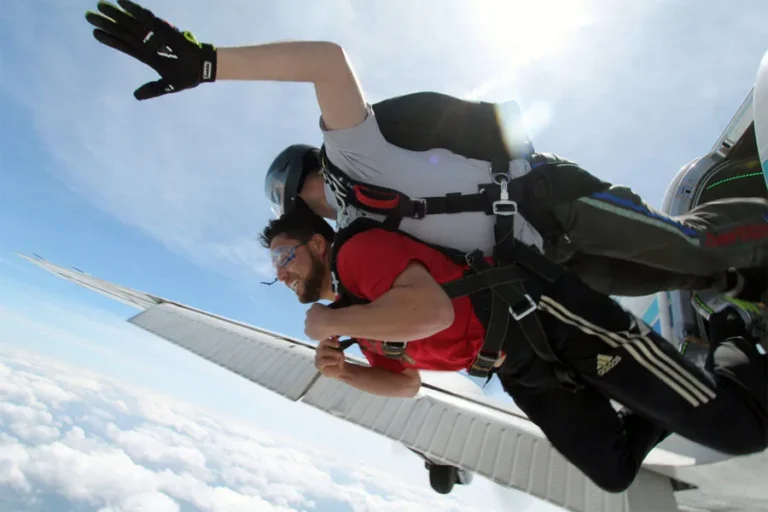
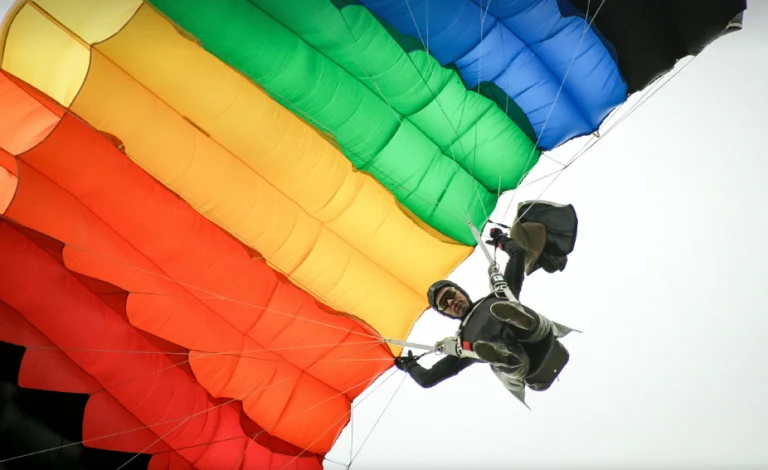
When assessing top tandem skydiving options, analysts must evaluate the structural limits of the dropzone’s primary gear. Dual systems carry two people under a single parachute, which requires a much larger fabric wing than individual sport gear. These specialized canopies typically range from 330 to 400 square feet, using low-porosity pressurized fabrics to handle the high weight. The attachment straps must distribute these heavy structural loads evenly across both the instructor and the passenger during deployment.
Managing Group Staging Pipelines
A major difference between top-tier flight hubs and standard regional clubs is the design of their passenger staging systems. Basic airfields often suffer from unexpected delays, leaving passengers waiting in unshaded ground areas without clear scheduling updates. High-capacity operations prevent these bottlenecks by using digital tracking software to coordinate student manifests automatically. This organized scheduling keeps passenger movement smooth and lets instructors concentrate fully on pre-flight safety briefings.
Architectural Layouts for Safety Control
Blending public tourism facilities with active aviation hangars requires a clear layout that separates guest spaces from work zones. Spectator viewing decks, registration areas, and gear storage must be physically isolated from the clean spaces where parachutes are inspected and packed. Premier facilities use split-level layouts to keep visitors out of active maintenance areas. This setup allows certified master riggers to perform detailed equipment checks without encountering noise or distractions from the crowds.
Historical Progress and Technical Development
The Early Era of Modified Military Gear
The origins of dual passenger jumping date back to experimental modifications of military surplus parachutes during the late twentieth century. Early systems used basic round canopies that offered very little steering control and caused rough, high-velocity landings. These primitive setups lacked integrated passenger harness systems, relying instead on modified cargo straps to secure the second jumper. Because these early systems had low weight tolerances and lacked backup deployment devices, they were restricted to experienced military researchers.
The Invention of the Drogue Parachute
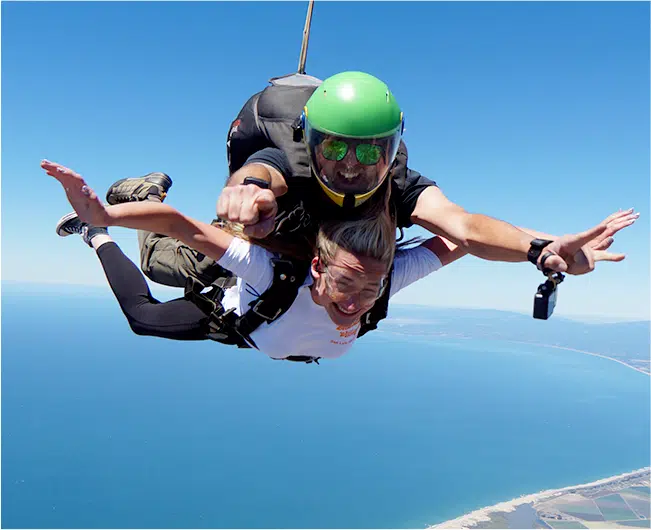
The transition into a viable commercial industry occurred with the invention of the dual drogue parachute, a small chute deployed immediately after exiting the plane. This small fabric ball controls the freefall speed of two people, keeping it down to the standard 120 miles per hour of an individual jumper. Without a drogue, the combined weight of two adults would cause them to fall too fast, risking severe gear damage during deployment. The drogue also provides the stability needed for smooth, predictable parachute openings.
Adapting to Suburban Airspace Expansion
As housing developments expanded toward rural airfields, commercial dual-passenger centers faced increasing pressure from local zoning boards regarding noise levels. The constant engine noise from turbine planes climbing to altitude throughout the day often triggered community friction. Top dropzones adapted by buying larger plots of buffer land or installing quiet propellers on their aircraft. This proactive approach helps protect their airfield access and ensures stable, long-term flight schedules without local legal interference.
Aeronautical Frameworks and Safety Models
The Swiss Cheese Model of System Defense
The Swiss Cheese model states that operational accidents are prevented by setting up multiple independent safety barriers to block human errors. Within dual aviation, these defenses include strict gear cross-checks, automated digital backup devices, thorough weather tracking, and detailed student briefings. A system failure can only happen if gaps in every single protective layer line up at the exact same moment. High-volume hubs manage these margins by requiring independent instructors to double-check each other’s connections before boarding the plane.
Density Altitude and Weight Limitations
Jumpers must remember that air density decreases as elevation, temperature, and humidity rise, which directly impacts how both airplanes and parachutes handle heavy loads. High density altitude conditions require longer takeoff rolls for aircraft and cause faster forward and vertical landing speeds for parachutes. For example, a dropzone operating in the elevated regions of the Mountain West during mid-summer faces much thinner air than a coastal facility. Instructors must enforce strict passenger weight limits during hot weather to maintain safe landing margins.
Managing Sensory Overload and Task Saturation
The sudden rush of exiting an aircraft can trigger intense sensory overload in first-time passengers, causing them to freeze or forget their instructions. This mental block can make it difficult for the passenger to maintain a stable body position during freefall or help during the landing flare. Elite operations prepare for this by teaching simple, repetitive actions during ground training, such as the standard “banana” body shape. This thorough preparation ensures passengers can follow basic commands even when overwhelmed by the experience.
Categorization of Fleet Configurations and Environments
The operating profiles of dual aviation hubs vary significantly based on their regional weather patterns, aircraft choices, and landing field designs.
Selecting the Right Environment for Your Goals
This operational breakdown demonstrates that choosing a facility requires balancing convenience with the quality of the aviation setup. A passenger seeking a smooth, efficient experience will benefit from the fast turbine fleets and organized manifests of high-volume urban hubs. Meanwhile, those looking for specific landing conditions may prefer coastal airfields, where steady ocean sea breezes provide very predictable wind patterns for soft, controlled landings.
Operational Scenarios and Airspace Inconsistencies
Scenario A: Sudden Crosswinds During a Dual Landing Approach
A turbine aircraft drops a group of dual jumpers over an open desert landing field on a hot afternoon. As the parachutes steer toward the ground, a sudden thermal gust creates strong crosswinds across the primary landing zone.
-
Constraints & Operational Demands: Dual systems carry heavy loads, requiring a straight landing run directly into the wind to minimize ground impact speeds.
-
Decision Points: The instructor must quickly decide whether to land on the bumpy crosswind grass or steer toward a clear, downwind dirt buffer zone.
-
Failure Modes: Attempting a sharp turn close to the ground to face the wind can cause the parachute to dive, risking a hard, high-velocity impact.
-
Second-Order Effects: Diverting to a backup field requires ground teams to deploy pickup vans, which delays the next flight rotation and alters manifest schedules.
Scenario B: Unexpected Cloud Development During the Climb
A single-engine turbine plane takes off with a full load of passengers under clear skies, but a solid layer of cloud cover forms rapidly at 8,000 feet during the climb.
-
Constraints & Operational Demands: Aviation safety laws strictly prohibit jumping through solid clouds without clear visual sight of the ground.
-
Decision Points: The pilot must coordinate with air traffic controllers to cancel the jump and fly the passengers back down safely using instruments.
-
Failure Modes: Dropping jumpers through thick clouds risks losing track of position, which can lead to dangerous landings on buildings or power lines.
-
Second-Order Effects: Bringing a full plane of passengers back down increases engine wear and fuel costs, forcing the office to reschedule flights and handle refunds.
Scenario C: Engine Temperature Fluctuations in High Heat
An aircraft climbs past 10,000 feet on a hot summer day when the engine gauges show a sudden spike in operating temperatures.
-
Constraints & Operational Demands: The engine must stay within strict temperature limits to prevent mechanical damage or mid-air power loss.
-
Decision Points: The pilot must level off the plane to cool the engine or abort the climb and return to the airfield early.
-
Failure Modes: Pushing a overheating engine can cause a mechanical breakdown, forcing an emergency landing with a full cabin of passengers.
-
Second-Order Effects: Grounding the aircraft for mechanical checks stops all flight operations for the day, disrupting the dropzone’s revenue and staffing schedules.
Scenario D: Air Traffic Control Delays Over Urban Airspace
A metropolitan dropzone must launch a high-altitude dual flight while sharing a busy air corridor with arriving commercial jet liners.
-
Constraints & Operational Demands: The flight path crosses near commercial airline lanes, requiring continuous radio coordination with regional controllers.
-
Decision Points: The pilot must find a precise departure window that allows the jumpers to exit safely without disrupting commercial airline routes.
-
Failure Modes: Missing the approved drop window can force the plane into long holding patterns, draining fuel and forcing a cancellation of the flight.
-
Second-Order Effects: Frequent airspace delays lower the dropzone’s daily capacity, increasing operating costs and frustrating waiting customers.
Capital Resource Distribution and Operating Expenses
Running a premier commercial dual-aviation facility requires substantial ongoing capital to fund turbine fleet maintenance and retain highly certified staff.
Balancing Fuel Expenses with Engine Maintenance Funds
The financial health of an aviation center depends on balancing daily ticket sales with the long-term depreciation of its aircraft engines. Turbine powerplants require expensive overhauls after a set number of flight hours, which demands careful financial planning. Elite dropzones handle this by setting aside a specific portion of every jump fee into a dedicated maintenance reserve fund. This disciplined budgeting ensures that engine overhauls are completed on schedule without disrupting the busy summer season.
The Financial Weight of General Liability Insurance
Liability insurance coverage represents a major, inescapable operating expense for commercial sport aviation facilities. Insurance companies price these policies based on the dropzone’s long-term safety record, fleet age, and instructor experience levels. Dropzones that maintain strict safety standards and use modern equipment qualify for lower insurance premiums. These financial savings can then be reinvested into facility upgrades, better ground gear, and ongoing staff development.
Estimated Expenses for Premier Dual Hubs
The following table provides a breakdown of the typical operating budgets required to run a high-volume commercial dual-flight facility.
Technical Hardware and Ground Systems
Barometric Micro-Computers for Emergency Deployments
The widespread use of electronic Automatic Activation Devices (AADs) has greatly improved safety margins across commercial dual aviation. These small computers are installed inside the parachute backpack, where they constantly monitor altitude and descent speed using sensitive barometric pressure gauges. If a jumper is still falling at high speed below a pre-set altitude threshold, the device fires a cutter to open the reserve parachute automatically. This electronic backup provides a critical safety layer if an instructor becomes disoriented or loses consciousness.
Automated Cloud Manifest Management
Modern, high-volume dropzones rely on advanced digital manifesting software to organize daily flight schedules and check jumper credentials in real time. These cloud platforms automatically verify that every instructor holds a current medical certificate and that their reserve parachutes are within their legal inspection windows. By automating these vital checks at the front desk, the system prevents uncertified or out-of-date staff from boarding the aircraft, reducing human administrative errors.
Sonic Wind Telemetry Stations
To safely track shifting wind conditions near the ground, premier facilities install electronic sonic wind sensors around their landing fields. These weather stations transmit live wind speed and direction data directly to display screens in the staging areas and the pilot’s cabin. Having access to continuous, accurate wind data allows jumpmasters to adjust landing approaches instantly, helping teams avoid dangerous ground turbulence or sudden crosswinds during their final flare.
Risk Classifications and Compounding Flight Errors
The Hidden Risk of Team Complacency
When a dropzone operates smoothly for a long time without any safety incidents, a subtle risk of complacency can develop among instructors and ground crews. This relaxed mindset can lead to teams rushing through equipment checks or skipping standard pre-flight double-checks. To combat this hidden hazard, safety officers must enforce strict gear check routines, ensuring that every piece of equipment is fully verified before every single takeoff.
Commercial Pressure in Marginal Weather Windows
The financial desire to complete a full day of flight rotations can create subtle pressure to fly when the weather is marginal. Group momentum among excited tourists or instructors can cloud objective judgment, leading teams to ignore rising crosswinds or lowering cloud bases. Managing this risk requires an independent safety officer who has the sole authority to ground flights, completely isolated from the commercial interests of the sales office.
Managing Traffic Conflicts in Mixed Landing Zones
As parachute designs have advanced, mixing different types of wings within a single flight rotation introduces unique safety challenges. High-speed canopy pilots require vastly different landing approaches than large, slow dual-passenger parachutes. If these different flight profiles are not carefully coordinated during the pre-flight briefing, it can lead to traffic conflicts in the landing zone, turning a routine jump into a high-risk situation.
Quality Control, Currency, and Inspection Schedules
Enforcing the 180-Day Reserve Repack Law
Federal aviation regulations require all reserve parachutes to be opened, thoroughly inspected, and repacked by a certified rigger every 180 days, even if they have never been used. This strict inspection cycle ensures that the backup canopy fabric remains free from dampness, friction wear, or storage damage. Elite dropzones track these dates using automated digital databases, grounding any system the moment it passes its legal limit.
Maintaining Instructional Currency Requirements
Instructors must maintain active training currency to preserve their commercial ratings and ensure student safety. This requirement involves logging a specific number of jumps within a set timeframe and passing regular emergency procedure reviews. If an instructor takes an extended break from the sport, they must complete refresher training under the guidance of a senior examiner before they can supervise student flights again.
Comprehensive Winter Fleet Overhauls
During the slower winter months, premier aviation hubs perform deep structural overhauls of their entire aircraft fleet. Specialized mechanics strip down engine cowlings, check flight control cables for wear, and inspect structural cabin seams for stress fractures. These intensive annual teardowns prevent mechanical breakdowns during the busy summer season, ensuring that the fleet remains completely reliable for high-volume operations.
Data Logs and Metrics for System Performance
Using Data to Improve System Safety
Maintaining high standards in sport aviation requires tracking detailed performance data across every flight rotation. Documenting wind patterns, exit stability, and landing accuracy helps operators identify safety trends and continuously refine their instructional programs.
Key Performance Identifiers for Aviation Hubs
-
Leading Indicators: The percentage of instructors completing full pre-flight harness scans; the frequency of radar weather updates before morning flights.
-
Lagging Indicators: The total number of off-field or backup grid landings recorded; the frequency of reserve parachute deployments across the fleet.
-
Qualitative Signals: The clarity of student comprehension during pre-flight harness briefings; instructor focus during high-volume flight shifts.
-
Quantitative Signals: Deviations between planned canopy deployment heights and actual activation altitudes as recorded by digital data loggers.
Analysis of Common Industry Misconceptions
Myth: The Passenger Has No Active Role During a Dual Jump
Tandem passengers are not just passive cargo; they are active participants who must follow precise instructions during takeoff, freefall, and landing. Understanding how the harness works and how to lift your legs for landing significantly improves safety margins and helps ensure a smooth experience.
Myth: Larger Turbine Airplanes Exist Only to Make More Profit
Large multi-engine turbine aircraft certainly improve a dropzone’s financial efficiency, but they also enhance safety by climbing to altitude quickly. This reduces the time passengers spend in a cold, cramped cabin, ensuring they stay alert and physically prepared for the jump.
Myth: Backup Safety Devices Make Regular Gear Checks Unnecessary
Automatic activation devices are excellent lifesaving tools, but they are independent mechanical backup systems that can still experience battery drains or calibration errors. They should never be used as an excuse to skip manual, multi-point equipment inspections before a flight.
Myth: Dual Parachutes Fall Much Faster Than Individual Ones
Dual systems carry two people, but the use of a specialized drogue parachute keeps their freefall speed down to the exact same 120 miles per hour as an individual jumper. This controlled velocity ensures that the main parachute can open smoothly and safely without placing excessive stress on the gear.
Myth: Any Experienced Skydiver Can Instruct Dual Passenger Flights
Being a dual instructor requires highly specialized commercial certifications that go far beyond standard sport skydiving licenses. Candidates must accumulate hundreds of individual jumps, pass rigid physical exams, and complete specialized training courses focused entirely on passenger management.
Myth: Soft Landings Depend Entirely on Low Ground Winds
Steady headwinds certainly help slow down a parachute, but a soft landing depends much more on the instructor executing a precise canopy flare at the correct height. Experienced instructors can deliver smooth landings even in completely calm air by utilizing the wing’s energy correctly.
Systemic Summary and Long-Term Judgment
Evaluating top tandem skydiving options requires looking past surface-level marketing to examine the core aviation systems that make high-altitude jumps possible. A truly successful experience relies on a professional blend of reliable turbine aircraft, detailed weather tracking, and disciplined risk management. By focusing on these technical essentials rather than just hospitality features, participants can minimize environmental risks and enjoy the unique thrill of human flight with complete confidence.
Long-term safety and skill progression in sport aviation depend on an ongoing commitment to regular equipment inspections, weather monitoring, and strict training habits. Treating your choice of dropzone as a careful logistical decision ensures that your training remains safe and well-organized over time. Ultimately, the most valuable facilities are those that maintain quiet, disciplined operational routines, allowing you to experience the challenge of human flight within a secure and highly professional environment.