Best Skydiving Options: The Definitive Editorial Guide to Aviation Safety, Disciplines, and Logistics
The global skydiving landscape functions as a highly regulated sector of civil aviation rather than a disconnected collection of extreme sports businesses. Selecting an appropriate destination, training methodology, or equipment configuration requires a systematic understanding of the operational frameworks that govern civilian flight. For an individual evaluating the market, the search for premier experiences involves balancing geographic terrain, instructional standards, aircraft capabilities, and regulatory oversight. Shifting weather patterns and local airspace complexities further complicate this decision-making process.
Evaluating aviation providers requires looking beyond regional marketing to examine structural metrics. Dropzones operate under distinct national aviation authorities, which dictate everything from maintenance intervals to instructor cross-certification. A facility that excels in tandem passenger experiences may lack the turbine aircraft fleet or specialized coaching staff necessary for advanced freefly or canopy piloting progression. Consequently, an analytical approach must separate consumer-facing amenities from the underlying operational infrastructure that guarantees safety and technical advancement.
This guide provides a comprehensive reference framework for evaluating dropzones, licensing programs, and equipment ecosystems. By analyzing the structural variables of modern flight operations, readers can make informed choices tailored to their specific risk tolerances, geographical constraints, and long-term athletic goals. Navigating this ecosystem requires assessing how regulatory compliance, environmental dynamics, and institutional safety cultures interact across various dropzone models.
Understanding “best skydiving options.”
Multi-Perspective Definitions
Defining the best skydiving options depends heavily on an individual’s current operational status within the sport. For a first-time participant, the premier choice centers on a dropzone with an unassailable safety record, high-capacity turbine aircraft, and institutionalized tandem instructor training. Conversely, an intermediate jumper defines quality by the availability of Accelerated Freefall (AFF) instructional slots, progressive canopy coaching, and structured mentoring programs. For elite competitors, the ideal facilities feature consistent weather patterns, fast aircraft rotation times, and wind tunnel integration.
Institutional Safety Over Marketing Claims
Consumer review platforms frequently distort the evaluation of aviation safety by focusing on customer service metrics rather than operational parameters. A dropzone might receive praise for its video packages or viewing decks while maintaining substandard gear maintenance cycles. True operational excellence manifests in adherence to strict wind maximums, conservative cloud clearance margins, and transparent incident reporting systems. Editorial analysis prioritizes facilities that view regulatory minimums as a baseline rather than a ceiling.
The Risk of Technical Oversimplification
Selecting an operational pathway based solely on proximity or price introduces hidden vulnerabilities into training progression. Cheap or poorly managed operations often rely on older, piston-engine aircraft that climb slowly, reducing the time students spend training at terminal velocity. Furthermore, cut-rate facilities may tolerate a relaxed safety culture, which increases the likelihood of equipment issues or poor dropzone awareness. High-caliber choices require a holistic look at a facility’s culture, fleet composition, and organizational stability.
Deep Contextual Background
Modern civilian skydiving traces its roots back to post-World War II surplus equipment and military survival training methods. Early sport parachutists used modified round military canopies, which offered minimal steering control and high landing impact velocities. These early configurations demanded exceptional physical stamina, which restricted participation to a small, highly disciplined cohort of ex-military personnel and adventurous hobbyists. The transition from survival tool to structured athletic discipline required significant shifts in mechanical design and regulatory oversight.
The introduction of the ram-air parachute in the late 1960s fundamentally transformed the sport’s safety profile and operational capabilities. These square, double-layered fabric wings inflated during flight to generate aerodynamic lift, enabling true cross-country navigation and soft, flared landings. As canopy performance advanced, national aviation bodies began formalizing civilian training programs. This shift replaced high-risk static-line systems with structured free-fall progression courses, opening the sport to a broader demographic.
In the late twentieth century, the development of the Automatic Activation Device (AAD) established a reliable backup system for emergency parachute deployment. Microprocessor-controlled instruments calculated altitude and descent speed in real time, automatically cutting the reserve ripcord if a jumper remained at terminal velocity below a safe altitude. Today, the global industry operates within a sophisticated framework of computerized logistics, synthetic fabrics, and standardized instructional ratings, choosing flight environments is a highly nuanced decision.
Conceptual Frameworks and Mental Models
The Swiss Cheese Model of Aviation Safety
Originally developed by James Reason, this framework explains that accidents happen when multiple independent safeguards fail simultaneously. In skydiving, these protective layers include gear checks, weather limits, aircraft maintenance, and pilot judgment. When evaluating the best skydiving options, a facility’s safety culture can be measured by how well it maintains these overlapping defenses. If an instructor ignores a minor gear issue or downplays high winds, a hole opens in that protective layer, increasing the risk of an accident.
The Dunning-Kruger Progression Curve
In high-risk sports, the gap between a person’s perceived skill and their actual competence changes predictably over time. Novice jumpers often experience a surge in confidence right after completing their initial licensing requirements, typically around 50 to 100 jumps. This phase represents a dangerous period where a jumper might attempt high-performance canopy maneuvers or complex group free-fall formations before they are ready. Premier training centers manage this risk by using structured mentorship programs to keep expectations aligned with actual skills.
Human Factors Analysis and Classification System (HFACS)
This framework looks beyond immediate mechanical failures to examine the organizational decisions that lead to accidents. When evaluating dropzones, HFACS helps uncover hidden risks like fatigued instructional staff, deferred aircraft maintenance, or rushing students through training during busy periods. Excellent facilities actively mitigate these human factors by managing staff schedules carefully and setting firm limits on daily operations.
Environmental Ceiling vs. Skill Floor
This mental model compares an environment’s challenges against a jumper’s actual skills. Every dropzone has an environmental ceiling shaped by its altitude, local turbulence, landing area obstacles, and wind patterns. A jumper’s skill floor must remain comfortably above that environmental ceiling to ensure safety during unexpected situations. Choosing top-tier options means picking environments where changing weather conditions will not overwhelm a jumper’s ability to safely fly and land their canopy.
Key Categories or Variations
Tandem Operations Platforms
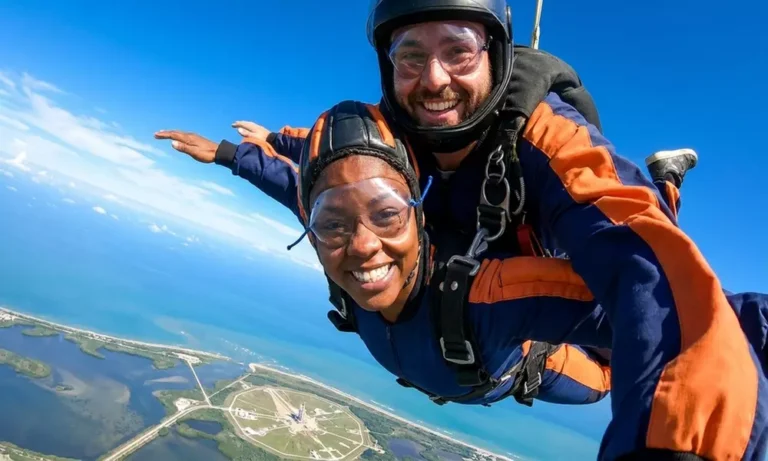
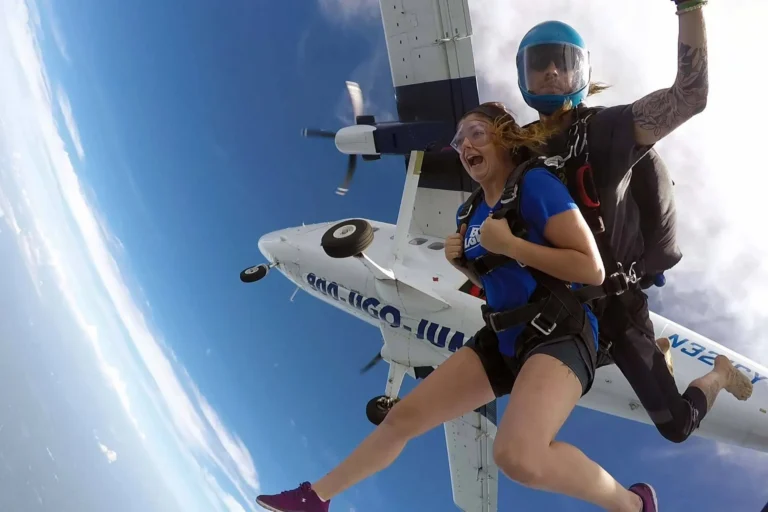
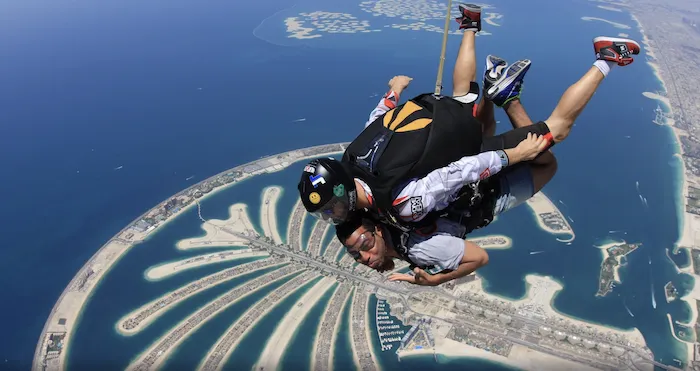
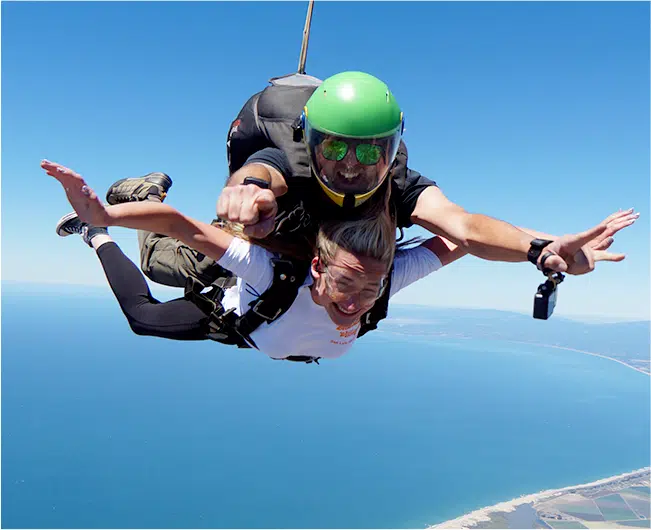
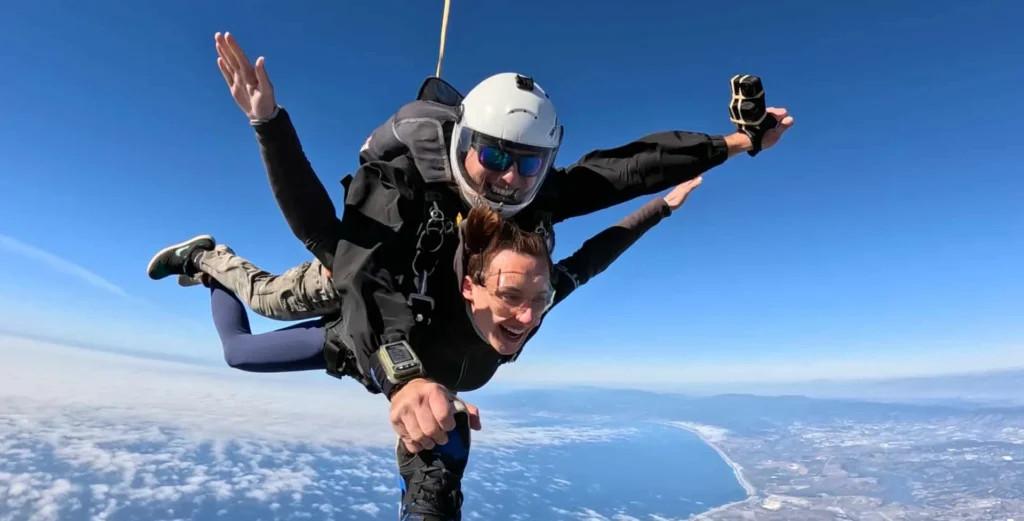
Tandem skydiving serves as the primary entry point for the general public, using a dual-harness system where a student is attached to an experienced instructor. These operations require large passenger cabins, robust gear tracking systems, and dedicated packing areas. High-volume tandem centers use turbine aircraft like the Cessna Caravan or Twin Otter to maximize flight efficiency. While these facilities excel at handling large groups, their heavy focus on commercial tandem flights can sometimes limit support for independent sport jumpers.
Accelerated Freefall (AFF) Training Centers
AFF centers focus on student training, pairing a single student with one or two certified instructors during high-altitude freefall. These programs demand detailed ground instruction, specialized student gear with large, stable canopies, and dedicated radio communication systems for landing support. Top-tier AFF facilities maintain low student-to-instructor ratios and use video analysis to review each jump. This structured approach helps students build solid basic habits and situational awareness during their initial progression.
Sport Progression and Boogies
Once licensed, skydivers look for dropzones that host specialized events called “boogies” alongside regular coaching camps. These events bring in specialized aircraft, elite load organizers, and advanced coaches to help jumpers build skills in disciplines like formation skydiving, freeflying, or wingsuiting. The best facilities for sport progression maintain an active, welcoming community and provide clear separation between student landing areas and high-performance landing zones.
High-Performance Canopy Piloting (Swooping) Centers
Swooping centers cater to experienced pilots who fly highly loaded, high-performance canopies designed for high-speed landings. These facilities feature specialized landing ponds, separate swoop lanes, and precision video tracking systems. Because high-performance canopy flight carries narrower margins for error, these centers enforce strict entry requirements and require dedicated coaching. They must also be located away from student landing areas to prevent traffic conflicts.
Dropzone Operational Models
Realistic Decision Logic
Choosing among these operational models requires matching your personal goals against a facility’s primary business focus. A jumper looking for fast licensing should avoid dropzones that prioritize high-volume tandem business, as student loads often get delayed during peak hours. Conversely, someone focused on canopy control should look for locations with dedicated landing ponds and active coaching programs. Balancing fleet size, staff availability, and landing area layout ensures your chosen environment supports your specific goals.
Detailed Real-World Scenarios
Scenario A: Initial Student Licensing Under Financial and Time Constraints
An individual trying to earn an international skydiving license within a tight two-week vacation window faces balancing weather risks against cost efficiency. Choosing a small, weekend-only dropzone that uses a single piston-engine aircraft often leads to delays from minor maintenance issues or sudden cloud cover. If the facility lacks full-time instructional staff, the student may struggle to complete the required curriculum before their vacation ends.
To maximize success, the student should select a high-volume, destination-style training hub located in an area with stable weather patterns, like the American Southwest or Southern Spain. These hubs run continuous flight cycles using multiple turbine aircraft, allowing students to quickly repeat jumps if they fail a level. Additionally, a large staff pool means training can continue smoothly even if an instructor falls ill or schedules a shift.
Scenario B: Transitioning to Advanced Disciplines
An intermediate jumper with 150 jumps wants to transition into wingsuiting, which requires specific equipment modifications and specialized navigation skills. If they attempt this transition at a small dropzone without a structured wingsuit program, they risk encountering air traffic conflicts or getting lost during canopy flight. Without professional coaching, the jumper might also choose an oversized, unstable wingsuit that compromises safety during their initial flights.
A safer path involves visiting a regional progression hub with a dedicated wingsuit school. Here, coaches use GPS tracking data to teach specific flight patterns that keep wingsuit pilots clear of traditional tandem and student drop zones. Students also begin with smaller, highly stable suits to master clean deployments before moving to higher-performance gear, reducing the risk of line twists or canopy malfunctions.
Scenario C: Navigating High-Altitude Operations
Organizers planning a specialized event above 15,000 feet must manage the physiological challenges of hypoxia, or oxygen deprivation. Operating at these altitudes requires onboard oxygen delivery systems, specialized pilot training, and strict enforcement of pre-flight safety briefings. If a dropzone lacks experience with high-altitude logistics, jumpers may experience slow reaction times or cloudy judgment before exiting the aircraft.
Selecting a premier high-altitude facility ensures the aircraft is equipped with reliable, well-maintained oxygen systems. Instructors at these locations monitor jumpers using pulse oximeters and enforce strict time limits at altitude. These precautions ensure participants remain fully alert and clear-headed before entering freefall, maintaining safety margins throughout the flight.
Scenario D: Organizing a Multi-Aircraft Formation Event
Coordinating large formation jumps with multiple aircraft demands precise formation flying from the pilots and strict exit timing from the jumpers. If a facility uses mismatched aircraft or lacks a unified communication system, the planes may struggle to maintain a stable formation. This variance can cause wide gaps between groups, leaving jumpers scattered across a large area and increasing the risk of off-field landings.
Success requires working with an elite competition hub that employs experienced formation pilots and uses matched turbine aircraft. These facilities use standardized GPS coordinates and coordinated exit signals to ensure all jumpers leave the aircraft simultaneously. This precision keeps the formation tight, allowing jumpers to track away safely and return to the primary landing area without spreading out across busy air traffic corridors.
Planning, Cost, and Resource Dynamics
Direct vs. Indirect Costs
The financial commitment required to participate in skydiving extends well beyond the base cost of a jump ticket or training package. Novices frequently miscalculate the total investment by overlooking auxiliary expenses like gear rentals, packing fees, and mandatory safety association memberships. As a jumper progresses toward purchasing personal equipment, the initial capital requirement increases significantly, requiring careful long-term budgeting.
Indirect costs also include recurring maintenance obligations, such as mandatory reserve parachute repacks, which certified riggers must perform every 180 days regardless of use. Travel logistics to remote turbine dropzones, specialized insurance policies, and continuing education courses further add to the total investment. Evaluating the market requires looking at these ongoing financial commitments alongside initial licensing costs.
Estimated Cost Projections
Opportunity Cost and Operational Efficiency
The time spent waiting on the ground at a poorly organized dropzone represents a high hidden cost for progressing jumpers. A facility that uses slow, piston-engine aircraft may limit a student to two or three jumps per day, extending the licensing process over several months. Conversely, a modern turbine operation allows for efficient, back-to-back training flights, accelerating muscle memory retention and reducing the total days required to achieve proficiency.
Tools, Strategies, and Support Systems
Digital Logbooks and Performance Analytics
Modern training relies on digital logging platforms that integrate GPS data with altimeter readings to track a jumper’s performance. These systems allow skydivers to analyze their free-fall body position, descent rates, and canopy flight paths with high precision. By tracking glide ratios and flare speeds over time, jumpers can identify subtle technical errors and make objective adjustments to their canopy control.
Visual and Audible Altimeters
Electronic altitude indicators are essential safety tools, providing both visual displays and audible alerts inside a jumper’s helmet. These microprocessors display real-time altitude changes and sound distinct alarms at key decision points, such as breakout altitude, deployment altitude, and emergency decision height. While these devices provide excellent situational awareness, jumpers must always treat them as secondary backups to their own visual assessment of the horizon.
Digital Wind Tunnels and Freefall Simulation
Vertical wind tunnels have transformedfree-falll training by providing a controlled environment where students can build muscle memory without altitude limits. Spending time in a wind tunnel allows jumpers to isolate specific body movements, practice stable turns, and master advanced orientations before applying them in the air. Integrating tunnel time with traditional skydiving acceleration significantly shortens training timelines and improves overall safety.
Parachute Rigging and Inspection Diagnostic Tools
Certified parachute riggers use specialized equipment like fabric permeometers, line tensile testers, and precision sewing machinery to maintain gear safety. These tools allow riggers to check synthetic fabrics for degradation from UV light or friction heat, ensuring the equipment remains strong enough to handle deployment forces. Regular inspections using these diagnostic tools help catch hidden wear before it leads to gear failure.
GPS Canopy Navigation Arrays
Elite canopy pilots use small, helmet-mounted GPS arrays to track their flight paths over the ground with high accuracy. These systems record data on ground speed, wind penetration, and turn dynamics, allowing pilots to refine their landing approaches. Reviewing this data helps jumpers adjust their flight paths for varying wind patterns, ensuring consistent accuracy when landing in tight or unfamiliar zones.
Advanced Weather Stations and Dropzone Modeling Systems
Top-tier dropzones use local weather stations and computer modeling software to track upper-air wind shifts in real time. These systems combine ground observations with data from pilot balloons to map wind speeds at different altitudes across the flight path. Access to this information helps pilots spot hidden wind shear or turbulence near the ground, allowing instructors to pause student operations before weather conditions become hazardous.
Risk Landscape and Failure Modes
Parachute Malfunctions Taxonomy
Parachute malfunctions generally fall into two categories: total malfunctions, where the canopy fails to deploy at all, and partial malfunctions, where the parachute deploys but fires incorrectly or experiences structural issues. Partial malfunctions include high-speed problems like line twists, bag locks, or horse-shoe deployments, as well as low-speed issues like torn cells or broken steering lines. Addressing these emergencies requires split-second diagnosis and immediate execution of standard emergency procedures.
Compounding Human Error Sequences
Accidents are rarely caused by a single mechanical failure; instead, they usually result from a chain of small mistakes that overwhelm a jumper’s capacity to respond. For example, a skydiver might skip a pre-boarding gear check, miss an unfastened leg strap, and then lose track of their altitude while distracted by a crowded flight line. This combination of oversight and lost situational awareness can quickly turn a minor problem into a life-threatening emergency.
Dynamic Canopy Collisions
As dropzones grow more crowded and parachutes fly faster, mid-air canopy collisions have become one of the sport’s most serious hazards. These incidents typically occur during the final landing approach, where pilots flying at different speeds converge on the same target area. Avoiding these situations requires strict adherence to local landing patterns, clear communication during flight planning, and constant visual scanning across the entire airspace.
Severe Microclimates and Local Turbulence
Winds blowing over obstacles like hangars, tree lines, or rolling hills can create dangerous pockets of turbulent air near the ground. This unseen turbulence can cause a sudden loss of lift just as a jumper is flaring their canopy for landing. Choosing premier options means selecting dropzones that lay out their landing zones far away from major obstacles, protecting jumpers from unexpected shifts in ground-level air currents.
Governance, Maintenance Protocols, and Long-Term Adaptation
Regulatory Compliance and Airworthiness Frameworks
National organizations like the United States Parachute Association (USPA) or the British SkydivinAssociationon set the operational standards that dropzones must follow. These governance frameworks control instructor licensing pipelines, dropzone safety rules, and mandatory gear inspection cycles. Facilities that maintain official ratings from these organizations are bound by strict safety limits on student training, weather minimums, and aircraft operations.
Layered Pre-Flight Inspection Checklist
Safety depends on a series of overlapping equipment checks performed before every jump, moving systematically from the hangar to the door of the aircraft.
-
Initial Rigging Bench Review: Verify pin retention, check AAD activation status, inspect handle placement, and confirm the reserve packing date is current.
-
Flight Line Inspection: Check chest and leg strap tension, verify correct 3-ring release alignment, and ensure the reserve ripcord housing is unobstructed.
-
Pre-Exit Cabin Assessment: Confirm the chest strap remains threaded correctly, verify altimeters are zeroed, and ensure helmet visors and closures are securely locked.
Measurement, Metrics, and Evaluation Frameworks
Leading vs. Lagging Indicators
Evaluating safety performance requires balancing lagging indicators, such as historical accident rates, with leading indicators, which track real-time compliance and operational discipline. A dropzone with an excellent historical record may be developing hidden risks if its staff grows lax about gear checks or ignores minor weather violations. High-quality operations focus on leading indicators, monitoring gear compliance, and tracking weather exceptions to stop chains of errors before they cause an accident.
Qualitative Safety Signals
A healthy safety culture shows in daily habits that are easy to observe but hard to measure precisely. These signals include an instructor’s willingness to turn down a flight in marginal weather, open discussion of mistakes during safety debriefs, and an active mentorship program for newer jumpers. Facilities that encourage open communication and transparent reviews build a more resilient safety culture than operations that hide mistakes to protect their reputation.
Common Misconceptions and Oversimplifications
Myth: Reserve Parachutes Fail at the Same Rate as Main Canopies
Many people assume that main and reserve parachutes share the same risk of malfunction, but their design and packing standards are completely different. Main parachutes are often packed quickly by sport jumpers or commercial packers, prioritizing convenience and soft openings over absolute reliability. In contrast, reserve parachutes are made from highly stable materials and must be packed by FAA-certified riggers according to strict technical guidelines, making reserve failures extremely rare.
Myth: High-Capacity Turbine Dropzones Are Inherently Safer Than Small Facilities
It is common to believe that large, high-volume dropzones are always safer than smaller, local operations, but size alone does not guarantee a stronger safety culture. While large hubs often feature newer aircraft and excellent facilities, they can also run into issues with crowded air traffic and fatigued instructional staff during peak periods. A small, community-focused dropzone can maintain excellent safety margins by enforcing strict weather limits and keeping a close eye on student progression.
Myth: Modern Safety Electronics Remove the Need for Manual Emergency Training
Some jumpers develop a false sense of security because modern Automatic Activation Devices (AADs) are highly reliable at deploying a reserve parachute automatically. However, relying blindly on electronics leaves jumpers vulnerable to low-altitude stability issues or slow-speed malfunctions that may not trigger the device. True safety requires keeping emergency muscle memory sharp through regular manual training, treating electronics as a silent backup rather than a replacement for quick human action.
Myth: Achieving an “A” License Confirms Complete Independence in the Sky
New jumpers often see their initial license as proof that they have mastered the sport, but an “A” license simply indicates that a skydiver has met basic safety standards. True situational awareness, canopy control in turbulent winds, and formation tracking skills take hundreds of jumps to develop. The best progression options emphasize continuing education, encouraging new license holders to work with coaches long after passing their initial exams.
Myth: All National Aviation Organizations Enforce Identical Safety Rules Globally
Many travelers assume that skydiving certifications and safety rules apply equally all over the world, but regulatory frameworks vary significantly between countries. A rating or medical clearance issued by one country’s aviation authority may not be recognized by another without extra testing or paperwork. Navigating international travel requires checking local rules beforehand to ensure your credentials match the requirements of your destination drop zone.
Myth: The Size of a Parachute is the Only Factor That DeterminesItss Flight Speed
Novices often evaluate canopy safety based solely on surface area, but a parachute’s performance depends heavily on its design and wing loading. A smaller canopy carrying a light load can fly more predictably than a highly specialized wing carrying a heavy passenger weight. Understanding canopy behavior requires evaluating how weight, fabric type, and line design interact, rather than focusing on square footage alone.
Myth: Wind Limits Only Apply to Student Jumpers on the Ground
Many believe that wind restrictions matter only for students during landing, but high winds aloft can create serious hazards for experienced skydivers as well. Strong upper-level winds can carry jumpers far away from the dropzone, forcing risky off-field landings over trees or power lines. Top-tier operations monitor wind speeds at all flight levels, pausing operations for everyone if upper-level currents threaten safe navigation back to the field.
Contextual Considerations in Global Airspace Systems
Operating a skydiving dropzone requires constant coordination with national air traffic control networks to safely manage shared airspace. Dropzones often sit beneath or adjacent to busy commercial flight paths, meaning jump planes must share territory with commercial airliners. Safely dropping skydivers through these corridors demands real-time communication between pilots and air traffic controllers, precise GPS exit timing, and strict adherence to pre-approved flight patterns. A dropzone’s operational reliability depends directly on its ability to navigate these complex airspace rules without causing commercial delays.
Environmental constraints also play a major role in shaping local dropzone operations. High-altitude facilities, like those located in mountain valleys, face unique challenges from thin air and unpredictable mountain wind currents. These conditions require pilots to carefully calculate aircraft performance and demand that canopy pilots adapt to faster ground speeds during landing. Understanding how local geography impacts air performance allows jumpers to select environments that match their skill levels and training goals.
Synthesis of Operational Excellence
Evaluating the best skydiving options requires looking past superficial marketing to carefully examine a facility’s underlying infrastructure, equipment maintenance, and safety culture. True quality shows in details like rigorous gear inspections, ongoing training for instructional staff, and conservative weather decisions that put safety before profits. Whether you are planning a first tandem jump or training for elite competitions, matching your goals to a facility’s primary business model ensures a safer, more productive learning experience.
Long-term success and safety in the sport depend on building solid basic habits and maintaining an objective understanding of your own skills. As equipment technology and training methods continue to evolve, the most reliable choices remain centered on facilities that value transparent safety tracking over sheer volume. By using structured decision-making frameworks, participants can confidently navigate the global aviation landscape, managing risks effectively while building their skills across a variety of flight environments.