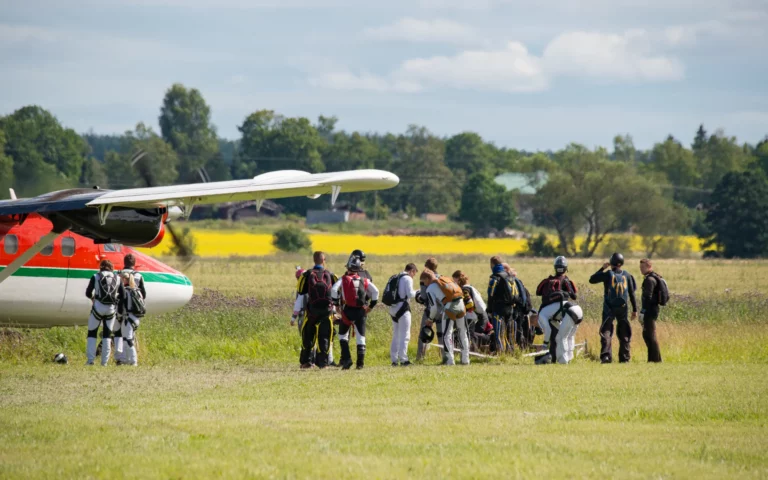
How to Avoid Unreliable Dropzones: Safety Auditing and Compliance Signs
How to avoid unreliable dropzones. The commercial parachuting ecosystem operates within an intricate nexus of federal aviation mandates, mechanical engineering tolerances, and high-velocity kinetic risks. Evaluating the structural integrity of a non-scheduled flight facility requires a thorough analysis that extends far beyond surface appearance or consumer reviews. A professional dropzone functions essentially as a specialized regional transportation hub. It is tasked with executing rapid, high-altitude aircraft turnarounds while maintaining stringent life-support equipment safety loops. Consequently, identifying latent systemic vulnerabilities remains an essential skill for aviators, sport jumpers, and regulatory auditors alike.
When a flight facility operates under compromised administrative or mechanical oversight, the margins of safety dissolve quickly during changing micro-meteorological cycles. Aircraft engine performance, reserve parachute repack frequencies, and manifest load balancing must be evaluated systematically to identify operational drift. These technical parameters cannot be assessed through standard tourism marketing materials. Instead, proper evaluation requires analyzing fuel reserve logs, physical runway constraints, and landing zone obstacle clearance ratios. This comprehensive audit framework ensures that participant safety margins remain resilient against compounding human and mechanical failures.
Understanding “how to avoid unreliable dropzones”
Deconstructing the internal mechanics of a functional parachuting establishment requires separating business longevity from true operational safety. A high-tier aviation complex functions as a tightly controlled kinetic loop engineered to balance rapid passenger loading with strict equipment inspection intervals.
Identifying Structural Disconnection
A frequent miscalculation made by sport participants is evaluating a dropzone based entirely on its geographic proximity or low ticket pricing. In practice, long-term safety depends heavily on its alignment with regional civil aviation tracking networks. Independent facilities sometimes position their jump sectors near busy commercial arrival funnels, which creates frequent flight delays and forces rushed jump runs.

Implementing systematic methods regarding how to avoid unreliable dropzones is vital for identifying undercapitalized operators who bypass standard maintenance procedures. This analytical strategy allows jumpers to detect hidden infrastructure vulnerabilities before boarding an unmonitored aircraft.
Infrastructure Transparency Indicators
Oversimplified site assessments often overlook the administrative back-end that keeps turbine aircraft flying safely through variable pressure layers. Reputable flight lines maintain open-access maintenance logs and display current rigger certifications clearly inside their packing facilities.
Conversely, marginal operators frequently conceal equipment usage rates, use unrated tracking software, and compress passenger briefing timelines to maximize daily revenue.
Deep Contextual Background and Systemic Evolution
The structural governance of civilian parachuting facilities underwent a major transformation following the introduction of high-volume turbine aircraft during the late twentieth century. Prior to this modernization phase, sport dropzones operated predominantly as loosely organized weekend flying clubs utilizing single-engine piston platforms.
The Maintenance Escalation Era
The adoption of twin-engine turboprop fleets during the 1990s introduced complex corporate logistics and strict engine overhaul cycles to the industry. These high-performance aircraft required specialized turbine maintenance facilities, formal manifest tracking software, and dedicated safety personnel to coordinate high-speed traffic patterns.
Modern Regulatory Pressures
In the current aviation environment, premier parachuting hubs function as integrated tactical training centers. They support a variety of military, research, and civilian operations simultaneously.
The integration of real-time multi-responder tracking systems has further isolated professional locations from underregulated facilities that continue to skimp on essential tracking technology.
Conceptual Frameworks and Mental Models
Navigating the operational hazards of sub-standard aviation centers requires specific analytical frameworks that connect fleet mechanics with administrative behavior.
The Latent Defect Compounding Cascade
The primary framework used by safety auditors is the Latent Defect Compounding Cascade. This model maps how minor administrative delays transform into critical mechanical emergencies during high-volume flight runs.
Manifest Pressure Dynamics
When a facility prioritizes maximum load velocity over structured check intervals, this model shows that safety margins decay exponentially. Staff members under economic pressure skip secondary gear verifications to keep aircraft spinning on the taxiway. The limitations of this model are reached when immediate weather groundings stop operations completely, freezing the risk cascade before an incident occurs.
The Micro-Meteorological Variance Tolerance Matrix
A secondary framework is the Micro-Meteorological Variance Tolerance Matrix. This structure tracks how a dropzone adjusts its operational thresholds based on changing local terrain features.
Environmental Safety Triggers
This matrix requires flight coordinators to halt student operations long before wind velocities reach maximum manufacturer tolerances. Poorly managed facilities frequently push past these thresholds to avoid refunding ticket costs during seasonal wind shifts. This economic exposure forces inexperienced canopy pilots to land inside hazardous thermal rotor zones downwind of hangar structures.
The Operational Drift Detection Loop
A third framework is the Operational Drift Detection Loop, which monitors slow declines in equipment maintenance standards over multi-month periods. This model tracks metrics like reserve parachute repack lead times and landing zone clearing schedules.
Tracking Safety Compliance
This model requires external safety officers to cross-reference daily logs against official aviation authority guidelines. Without independent inspections, minor deviations become accepted dropzone norms, lowering safety standards across the facility. This loop helps participants assess whether an operator maintains true compliance or merely projects surface-level order.
Key Categories and Technical Variations
Civilian parachuting facilities can be divided into distinct categories based on organizational structure, fleet capacity, and regulatory oversight. Each configuration presents specific trade-offs regarding cost, wait times, and safety margins.
USPA Group Member Facilities
These operations pledge to follow basic safety requirements, maintain certified instructors, and utilize verified student equipment. They offer standardized training environments but face higher administrative overhead costs.
Independent Non-Affiliated Dropzones
Facilities operating outside national organization networks. They enjoy complete operational freedom and often charge lower ticket prices, but lack independent safety oversight and standardized student curriculum enforcement.
Commercial Turbine Powerhouses
High-volume centers built around multi-engine turboprop fleets. They provide rapid ascents to 14,000 feet and computerized manifest tracking, but require high daily passenger volumes to offset heavy turbine maintenance costs.
Seasonal Cessna Club Strips
Small operations utilizing single-engine piston platforms on grass strips. They feature tight-knit social structures and low overhead, but experience slow climb times and face high vulnerability to sudden afternoon wind shifts.
Operational Decision Logic
Selecting a safe jumping location requires matching a participant’s license category against the administrative stability of the facility. Student jumpers should avoid independent, non-affiliated operations due to the lack of standardized gear inspection protocols.
Conversely, advanced canopy pilots might utilize smaller club strips for specialized low-altitude training, provided the aircraft maintenance tracking remains fully transparent.
Detailed Real-World Scenarios
Scenario A: Managing Component Fatigue in High-Volume Turbine Fleets
A high-capacity turboprop aircraft is executing its fourteenth consecutive lift cycle at a busy commercial center during a hot summer afternoon.
-
Constraint: High ambient runway temperatures increase turbine exhaust temperatures during steep climbs, accelerating internal component wear.
-
Decision Point: The Director of Maintenance must decide whether to pull the aircraft from the rotation for a mid-day inspection or continue running flights.
-
Failure Mode: Pushing the aircraft past its hourly inspection window to maximize weekend ticket sales without verifying oil filter integrity.
-
Second-Order Effect: A mid-climb engine compressor stall occurs at 4,000 feet, forcing an emergency off-field landing that damages the airframe.
Scenario B: Addressing Canopy Drift at Non-Affiliated Coastal Sites
A group of non-licensed sport jumpers exits a single-engine piston aircraft over an independent coastal dropzone during a changing tide cycle.
-
Constraint: An offshore sea breeze develops rapidly, shifting upper wind tracks two miles out over open water boundaries.
-
Decision Point: The uncertified ground controller must choose whether to suspend flight operations or adjust the drop vector manually.
-
Failure Mode: Relying on visual estimations rather than real-time wind tracking, releasing the group into an active maritime shipping channel.
-
Second-Order Effect: Multi-agency water rescue operations are triggered, resulting in severe local regulatory fines and immediate airspace restrictions.
Scenario C: Navigating Manifest Backlogs at Crowded Festival Events
An independent skydiving boogie event draws hundreds of visiting participants to a temporary field lacking permanent infrastructure.
-
Constraint: A three-hour morning weather delay creates a massive manifest backlog, compressing scheduled aircraft inspection windows.
-
Decision Point: The event coordinator must decide whether to cut passenger gear inspection times or cancel remaining afternoon flight runs.
-
Failure Mode: Eliminating the mandatory pre-board gear check line to expedite aircraft loading sequences.
-
Second-Order Effect: A participant boards with an inverted reserve static line pin configuration, causing a premature deployment inside the cabin doors.
Scenario D: Managing Student Rotations on Unmonitored Grass Strips
A training dropzone utilizes a short grass strip located adjacent to an active high-voltage power line corridor.
-
Constraint: Crosswinds during seasonal transitions alter standard landing patterns, forcing student canopies toward the utility lines.
-
Decision Point: The lead instructor must decide whether to halt student jumps or deploy radio operators along the hazardous boundary line.
-
Failure Mode: Allowing students to fly unguided landing approaches during turbulent afternoon thermal adjustments.
-
Second-Order Effect: A student canopy collides with a transformer array, causing a regional power outage and triggering a federal investigation.
Planning, Cost, and Resource Dynamics
Maintaining true operational reliability requires substantial long-term capital investments that cannot be recovered through cheap jump tickets. Dropzones that consistently offer deep discounts often offset those price drops by deferring aircraft engine overhauls or reducing staff wages.
| Operational Cost Center | Standard Safety Range (USD) | Primary System Drivers |
| Turbine Engine Overhaul | $40,000 – $80,000 / Cycle | Flight hours accumulated, cycle counts, compressor blade wear rates. |
| Certified Rigger Staffing | $35 – $60 / Hourly Wage | Master rigger licensing, reserve packing liability coverage. |
| Digital Manifest Software | $200 – $500 / Monthly Fee | Active transponder tracking integration, cloud manifest backups. |
| Landing Zone Obstacle Clearing | $1,500 – $4,000 / Year | Tree removal labor, runway grading, clear boundary fencing. |
Economic Pressure Realities
When a parachuting center faces declining regional tourism numbers, its fixed aviation insurance premiums remain unchanged. Underfunded operators often manage this financial squeeze by extending the service life of student assemblies past recommended replacement cycles. This economic reality demonstrates why comparing baseline operational costs is a highly reliable method for identifying compromised business models.
Tools, Strategies, and Support Systems
Systematically identifying and avoiding compromised dropzones requires utilizing independent verification platforms and asset tracking technologies.
National Group Member Directories
Aviation organizations maintain real-time digital databases listing all facilities that have pledged to enforce basic safety requirements. Cross-referencing these lists ensures an operator remains subject to external compliance audits.
National Aircraft Registry Verification
Using public aviation databases allows jumpers to check the registration status and ownership history of a dropzone’s fleet. Frequent tail number changes or persistent ownership transfers often signal underlying maintenance or regulatory tracking issues.
Master Rigger Log Audits
Jumpers can request a review of the on-site rigger logbook before trusting rental equipment to a facility. A well-maintained logbook features clear signatures, precise component tracking numbers, and documented reserve parachute packing dates.
Automated Weather Observation Systems
Utilizing direct airport weather feeds allows participants to cross-reference real-time wind speeds against dropzone claims. If an operator continues launching flights when local stations report excessive crosswinds, it indicates compromised safety oversight.
Dedicated Gear Checklist Protocols
Safety-conscious dropzones require all visiting jumpers to pass through a multi-point gear inspection station before entering the aircraft loading zone. This process catches twisted three-ring release assemblies and misrouted chest straps before boarding.
Digital Manifest Telemetry Monitors
High-tier facilities mount electronic passenger tracking displays inside the hangar area. These monitors show exact load weights, calculated fuel reserves, and assigned flight paths to keep ground crews and pilots fully aligned.
Risk Landscape and Failure Modes
The structural safety of a parachuting operation can be severely compromised by overlapping administrative and mechanical failures that undermine safety margins.
Primary Operational Risk Vectors
-
Deferred Aircraft Engine Overhauls: Running turboprop platforms past manufacturer cycle limits to delay heavy maintenance costs.
-
Abbreviated Student Gear Checks: Bypassing pre-boarding safety lines to expedite aircraft loading schedules during peak weekends.
-
Uncertified Equipment Modifications: Utilizing unapproved steps or camera mounts that can catch parachute lines during exit maneuvers.
-
Compromised Weather Decision Loops: Pushing flight limits during low cloud ceilings or high crosswinds to avoid refunding customer tickets.
Governance, Maintenance, and Long-Term Adaptation
All commercial civilian parachuting operations within the United States must comply with Federal Aviation Administration Regulations Part 105. These statutes govern foreign parachute compliance, clear-air requirements, and multi-engine weight limits.
Real Estate Protection Strategies
Long-term facility preservation requires securing clear land-use buffers against suburban development. As residential neighborhoods expand toward historic airports, noise complaints often trigger restrictive local flight hours. Resilient dropzones counter this by purchasing surrounding agricultural development rights to protect their approach paths.
Daily Audit Checklist
Senior safety personnel utilize structured check sequences every morning to maintain strict baseline standards across the facility:
-
Review aircraft maintenance logs for unresolved mechanical discrepancies or oil temp spikes.
-
Confirm current medical certifications and dropzone ratings for all tandem pilots.
-
Verify that on-site weather stations match data from regional airport weather loops.
-
Inspect student parachute assemblies to ensure reserve repack cycles remain valid.
Measurement, Tracking, and Evaluation
Aviation safety managers use a blend of leading quantitative indicators and qualitative observations to evaluate dropzone risk profiles. This data collection allows teams to catch minor operational drift before it causes an incident.
Performance Indicator Matrices
-
Runway Excursion Percentages: Tracking how often aircraft utilize overrun zones during short-field landings.
-
Reserve Deployment Analysis: Documenting the root causes of all emergency main canopy cutaways across the facility.
-
Instructor Retention Statistics: Monitoring staff turnover rates to identify underlying training or management issues.
-
Aircraft Oil Consumption Trends: Tracking unexpected oil drops between scheduled maintenance intervals to catch engine wear early.
Common Misconceptions and Oversimplifications
Myth: A flashy website with modern marketing guarantees high maintenance standards.
-
Correction: Visual branding has no connection to aviation safety; an older hangar may house a meticulously maintained aircraft fleet.
Myth: All facilities operating within commercial airports are automatically safe.
-
Correction: Airport authorities manage runways, not internal dropzone rigging lofts or tandem instructor certification tracking loops.
Myth: Low tandem ticket prices indicate efficient business operations.
-
Correction: Drastically lower prices often mean an operator is cutting costs on staff training, aircraft maintenance, or gear replacement.
Myth: National organizations constantly monitor every jump flight in real time.
-
Correction: Regulatory groups set safety standards and process licenses, but daily operational compliance relies entirely on local management.
Myth: Any licensed commercial pilot can safely fly a specialized turbine jump run.
-
Correction: Parachuting operations require unique training regarding aircraft weight distributions, jump run speeds, and emergency door procedures.
Myth: Military dropzones follow the exact same safety regulations as civilian sport fields.
-
Correction: Military jumps operate under separate tactical directives that allow higher risk profiles than standard civilian sports flights.
Ethical and Practical Considerations
Operating a high-volume flight complex requires managing local environmental and noise footprints responsibly. Running heavy turbine aircraft for ten hours a day generates significant noise that can impact neighboring residential communities.
To address this, responsible dropzones design specific flight paths that avoid flying directly over noise-sensitive areas during early morning climbs. This proactive approach helps protect long-term access to local airspace while supporting specialized regional aviation tourism.
Synthesis and Evaluation
The long-term safety of sport parachuting depends on maintaining strict separation between business goals and required maintenance intervals. A facility’s reliability is defined by its willingness to ground flights when equipment checks, weather changes, or pilot rest requirements demand it.
By using structured risk frameworks, requiring open-access maintenance logs, and following strict gear inspection protocols, participants can isolate themselves from compromised operations. Ultimately, managing risk in this high-velocity field relies on recognizing that true dropzone quality is defined by meticulous safety compliance, not marketing appeal.