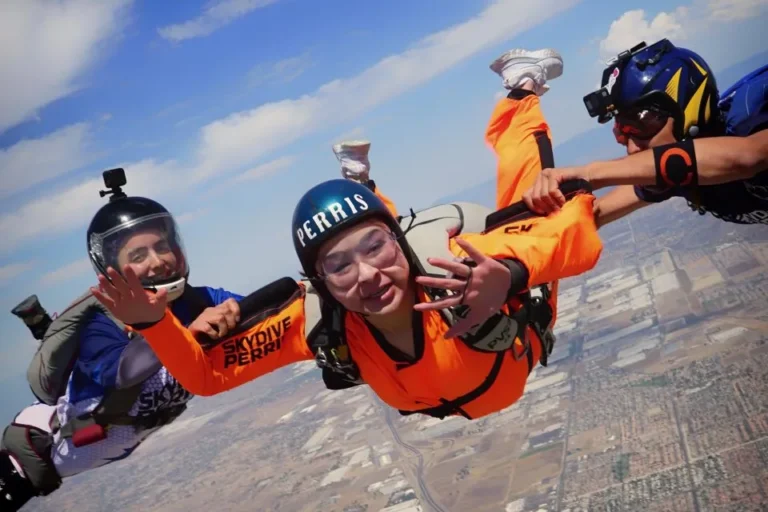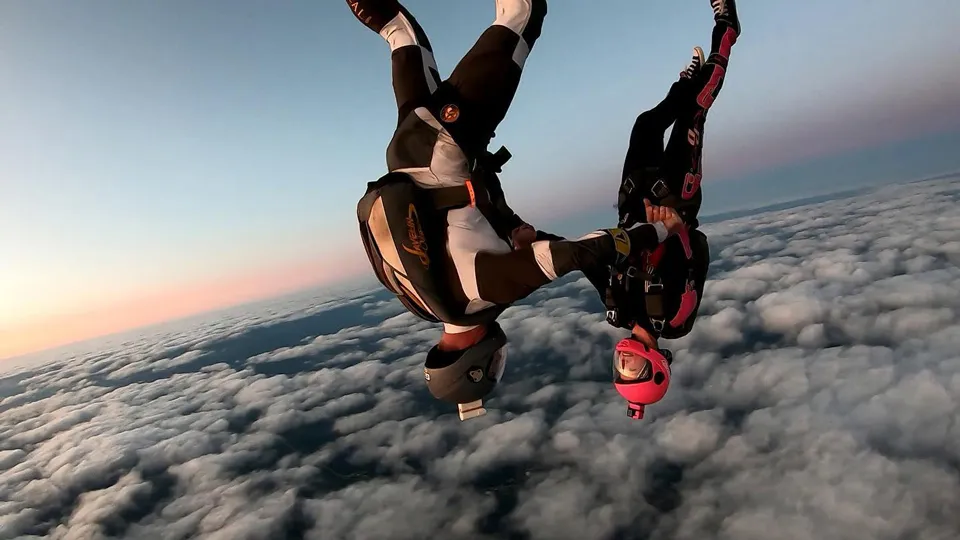
Top Bucket List Skydiving America: High-Tier Flight Logistics Overview
The stratification of the civilian parachuting industry across the United States reflects a broader structural evolution within experiential aviation. While the baseline entry point to the sport remains anchored in high-throughput, utility-driven drop zones, a distinct sector has materialized to cater to specialized demands. This high-tier sector is characterized by the integration of multi-engine turbine aircraft, custom altimetric profiles, and advanced digital tracking infrastructures. The development of these systems relies on complex airspace management agreements and significant capital allocations, separating specialized flight operations from standard recreational jumping centers.
An objective examination of high-tier sport aviation shows that infrastructure configuration directly dictates operational limits. The operational blueprint of an elite facility requires precise synchronization between regional air traffic control networks and high-capacity transport fleets. These requirements are particularly acute when flights ascend beyond the standard 14,000-foot ceiling into the upper bands of the troposphere. Furthermore, the human capital required to manage these systems is substantial, needing master-rated instructors, dedicated flight coordinators, and specialized riggers. These structural components ensure that safety margins remain resilient when managing complex flight manifests.
To analyze this specialized aviation discipline thoroughly, it is necessary to examine the underlying economic and physical mechanics that govern high-tier operations. The maintenance of wide-body turboprop platforms at peak efficiency requires consistent capital reinvestment and rigid safety tracking loops. Additionally, the localized weather environments of premium drop zones require advanced meteorological modeling to mitigate wind shear risks and terrain-induced turbulence. Understanding these systemic variables is critical for assessing how operational integrity is maintained across diverse geographical regions.
Understanding top bucket list skydiving america
Evaluating the operational framework of top bucket list skydiving america requires decoupling these programs from standard, tandem-mill commercial operations. A high-tier parachuting operation functions as a coordinated aviation system rather than a simple passenger ride. The surrounding infrastructure must be engineered to handle extended flight profiles, specialized equipment integrations, and precise aerial spot drops over complex terrain.
Airspace and Altitude Distinctions
A common misunderstanding among observers is that a premium jump is distinguished only by luxury ground amenities or concierge hospitality services. In reality, the primary differentiator lies in the allocation of dedicated airspace and aircraft performance capabilities. High-tier programs frequently operate at altitudes between 18,000 and 28,000 feet, which requires specialized FAA waivers and continuous radar tracking from regional air traffic control hubs.
The integration of advanced transponder tracking systems is vital here. These units maintain a stable connection with ground radar arrays during rapid altitude drops.
Structural Ground Infrastructure
Oversimplifying these spaces can lead to severe miscalculations regarding the resources required to sustain high-altitude flight operations. Premium centers feature dedicated packing facilities that are humidity-controlled to preserve the structural integrity of canopy fabrics.
Furthermore, these facilities include advanced digital debriefing suites where multi-angle high-definition camera arrays can be synchronized instantly for flight path analysis.

Aircraft Fleet Optimization
The presence of twin-engine turboprop fleets, such as modified DeHavilland Twin Otters or Beechcraft King Airs, is a defining attribute of this tier. These platforms offer faster climb rates, reduced vibration profiles, and redundant engine safety margins. This level of mechanical reliability is essential when transporting participants into demanding high-altitude environments.
Deep Contextual Background
The emergence of high-tier parachuting operations within the United States can be traced to the modernization of civilian turbine fleets during the late twentieth century. Prior to this shift, sport parachuting was dominated by unpressurized, single-engine piston aircraft that struggled to ascend past 12,000 feet efficiently. These early configurations limited the time available for freefall and exposed passengers to extended periods of engine vibration and cabin noise.
The Turboprop Revolution
During the early 2000s, commercial drop zones began acquiring surplus short-takeoff turboprop aircraft, which transformed the economics of altitude delivery. This shift allowed operators to double their passenger capacities while cutting climb times in half.
As a result, specialized centers began designing extended-altitude programs that integrated military-grade life support systems for civilian use.
Modern System Sophistication
In the current aviation environment, premium centers operate as highly specialized flight complexes. They are frequently utilized for advanced canopy piloting research, aerodynamic gear testing, and elite civilian training programs.
The integration of real-time telemetry systems and satellite-derived wind profiling has further insulated these operations from the unpredictable atmospheric variations that once grounded traditional operations.
Conceptual Frameworks and Mental Models
Navigating the operational complexities of high-tier parachuting requires specific mental models that connect fluid dynamics, high-altitude physiology, and system safety loops.
The Barometric Volume Compression Model
The primary framework utilized by flight safety officers is the Barometric Volume Compression Model. This model governs how rapid pressure drops affect human physiology and equipment inflation during high-altitude ascents.
For an unpressurized flight ascending to 22,000 feet, this model dictates that gas volume inside equipment and human sinus cavities expands significantly. Instructors must manage ascent rates carefully to allow for natural pressure equalization. The boundary of this model is reached when rapid depressurization requires immediate supplemental oxygen deployment to prevent hypoxia.
The Orographic Boundary Layer Matrix
A secondary framework is the Orographic Boundary Layer Matrix, which maps how high-velocity winds interact with coastal or mountain terrain features near the drop zone. This model predicts the location of mechanical turbulence layers based on regional pressure gradients.
This matrix requires flight coordinators to adjust drop vectors when surface winds meet specific topographic barriers. If an aircraft drops jumpers directly into a leeward rotor zone, the canopies can experience sudden losses of internal pressure. This exposure reduces the jumper’s ability to maintain a stable landing glide path.
The Kinematic Energy Dissipation Loop
A third framework is the Kinematic Energy Dissipation Loop, which tracks how a jumper transfers terminal velocity into lift during the deployment phase. At higher altitudes, lower air density results in significantly faster terminal velocities before the parachute opens.
This model requires the use of specialized deployment devices, such as elongated slider fabrics, to slow down the opening sequence of the parachute. Without these modifications, the rapid transition from high terminal speeds to canopy flight can subject both the gear and the jumper to excessive structural forces. This loop helps planners design deployment protocols that stay well within safe mechanical limits.
Key Categories and Technical Variations
High-tier parachuting programs across the United States can be classified into distinct operational categories, each presenting unique resource requirements. When considering top bucket list skydiving america, these categories form the technical spectrum from which elite operations select their specific deployment parameters.
Coastal Marine Drop Corridors
Operating along the Pacific and Atlantic coastlines, these drop zones offer clear maritime views but require close coordination with busy coastal marine air traffic networks. They are characterized by stable sea breezes but have limited options for alternate inland landing fields.
Inland Intermountain Centers
Situated adjacent to major mountain ranges, these facilities feature high ground elevations and complex thermal wind patterns. They offer wide landing spaces but require careful management of density altitude calculations during warm summer months.
High-Altitude Tropospheric Hubs
Specialized facilities engineered exclusively for jumps from altitudes above 20,000 feet. These operations require dedicated on-site oxygen stations, specialized aircraft configurations, and custom physiological monitoring gear.
Private Estate Drop Zones
Exclusive, low-volume facilities operating on private land networks, often integrated with premium luxury resorts. These programs emphasize highly customized flight schedules and one-on-one coaching, though they typically operate with smaller turbine fleets.
Detailed Real-World Scenarios
Scenario A: Managing Oxygen Regulator Failures During a High-Altitude Ascent
A twin-engine aircraft is climbing through 19,000 feet over an inland tropospheric hub on a dedicated high-altitude flight. The cabin is unpressurized, and all passengers are breathing through continuous-flow supplemental oxygen systems.
-
Constraint: A primary oxygen distribution manifold experiences a pressure drop, reducing flow to the rear jumper positions.
-
Decision Point: The flight coordinator must immediately decide whether to deploy backup portable oxygen bottles or initiate an emergency descent below 15,000 feet.
-
Failure Mode: Delaying the descent while attempting to fix the manifold manually, exposing participants to hypoxic conditions in thin air.
-
Second-Order Effect: Reduced cognitive function in the jumpers slows down their exit safety checks, forcing the pilot to cancel the jump run entirely.
Scenario B: Navigating Sudden Sea Breeze Inversions Near a Coastal Drop Zone
An elite group flight is descending under parachute canopies from 15,000 feet near a coastal marine drop corridor during a summer afternoon.
-
Constraint: A sudden thermal inversion causes a cold marine wind layer to push inland, reversing the surface wind direction within 800 feet of the ground.
-
Decision Point: The lead instructor must quickly decide whether to maintain the planned landing pattern or execute an alternate downwind landing approach.
-
Failure Mode: Turning the canopy sharply against the new wind layer at a low altitude, causing a rapid loss of height close to the ground.
-
Second-Order Effect: The canopy encounters ground-level turbulence, requiring a hard landing on an unprepared surface near the boundary fence.
Planning, Cost, and Resource Dynamics
Operating within the domain of top bucket list skydiving america involves significant capital investments and highly structured resource allocations. These expenses reflect the costs of turbine aircraft maintenance, advanced life-support logistics, and low staff-to-passenger ratios.
| Operational Cost Component | Capital Range (USD) | Primary System Drivers |
| High-Altitude Custom Lift | $450 – $950 (Per Person) | Fuel consumption during extended climbs, FAA waiver licensing, specialized radar tracking. |
| Dedicated Air Videography | $250 – $500 (Per Flight) | High-definition camera maintenance, freefall tracking suits, digital editing time. |
| Supplemental Oxygen Logistics | $150 – $350 (Per Session) | Liquid oxygen supply chain, regulator testing, oxygen technician staffing. |
| Private Instructor Allocation | $300 – $700 / Day | Master rating retention, personal safety insurance, specialized coaching tools. |
Seasonal Window Dynamics
The financial viability of high-tier operations is closely linked to seasonal weather trends. Cloud decks can linger over coastal zones during spring mornings, while winter temperatures at 24,000 feet can drop well below zero, requiring specialized heated flight gear.
These environmental variables mean operations must maintain flexible scheduling systems to handle frequent weather-related flight delays.
Tools, Strategies, and Support Systems
Safe execution of high-tier jumps relies on a suite of advanced technical tools and safety equipment designed for demanding flight profiles.
Temperature-Compensated Digital Altimeters
Standard barometric altimeters can drift during fast descents through changing thermal layers. Modern digital altimeters use dual-core pressure sensors to provide accurate height readings relative to the landing zone elevation.
GPS-Guided Flight Trackers
Pilots and jumpmasters utilize advanced flight management software that overlays real-time wind data onto local maps. This system allows the aircraft to drop jumpers at the exact position required to ensure a safe return to the primary landing area.
Electronic Automatic Activation Devices
All high-tier parachute rigs are equipped with micro-processor controlled activation devices. These units constantly measure speed and pressure; if a jumper remains at terminal velocity below a pre-set altitude, the device automatically fires a cutter to deploy the reserve parachute.
Risk Landscape and Failure Modes
The risk profile of high-tier parachuting is defined by compounding environmental and technical variables that require continuous monitoring. This structure separates standard sport disciplines from top bucket list skydiving america operations.
Technical Risk Profiles
-
Hypoxia Exposure: Oxygen deprivation during extended high-altitude climbs that can impair a jumper’s judgment before they exit the aircraft.
-
High-Velocity Deployment Strain: Excessive structural forces on the parachute canopy when deployed at high true airspeeds in thin air.
-
Wind Shear Inversion: Sudden shifts in wind speed and direction between atmospheric layers that can disrupt a jumper’s landing approach.
-
Material Thermal Fatigue: Rapid temperature swings from sub-zero flight conditions to warm ground levels that can accelerate wear on parachute nylon fibers.
Governance, Maintenance, and Long-Term Adaptation
All high-tier civilian parachuting operations in the United States function under the strict regulatory oversight of the Federal Aviation Administration and the United States Parachute Association. Maintenance schedules for turbine aircraft must follow rigorous inspection cycles, with special attention paid to engine compressor blades during frequent high-altitude climbs.
Long-term survival for these specialized drop zones requires proactive management of local airspace access. Many facilities operate near expanding commercial air corridors.
Operators must maintain clear communication channels with regional air traffic control centers to ensure that sport flights do not conflict with commercial airline routes.
Measurement, Tracking, and Evaluation
Safety directors at high-tier facilities utilize a specific matrix of metrics to monitor performance and evaluate safety margins during daily flight operations. When managing a premier program included in top bucket list skydiving america lists, tracking execution precision is necessary to maintain long-term institutional authority.
Quantitative Indicators
-
True Airspeed Velocity Discrepancy: Measuring the difference between indicated and true airspeeds across various temperature profiles to assess canopy flight performance.
-
Oxygen Saturation Baselines: Tracking passenger oxygen levels during extended climbs using pulse oximeters to ensure life-support systems are working correctly.
-
Spotting Offset Ratios: Monitoring how close jumpers land to the target center to evaluate the accuracy of the pilot’s flight path calculations.
Qualitative Signals
-
Instructor Fatigue Levels: Monitoring staff alertness and communication clarity during busy, multi-flight operations.
-
Passenger Spatial Awareness: Assessing how well participants follow safety instructions during the high-altitude phases of the flight.
Ethical and Practical Considerations
Sustaining a high-tier aviation facility requires balancing intensive flight schedules with local environmental and community interests. Operating heavy turboprop aircraft for multiple consecutive flights generates a significant noise footprint that can affect nearby residential areas.
To address this, premium drop zones design specialized flight profiles that avoid flying directly over noise-sensitive communities during early morning hours. This proactive approach helps protect long-term access to local airspace while supporting specialized aviation tourism.
Synthesis and Evaluation
The long-term success of top bucket list skydiving america programs depends on maintaining a strong infrastructure that balances pilot training, aircraft maintenance, and rigorous jumper discipline. These specialized facilities provide the complex environments necessary to advance the sport of high-altitude relative work safely.
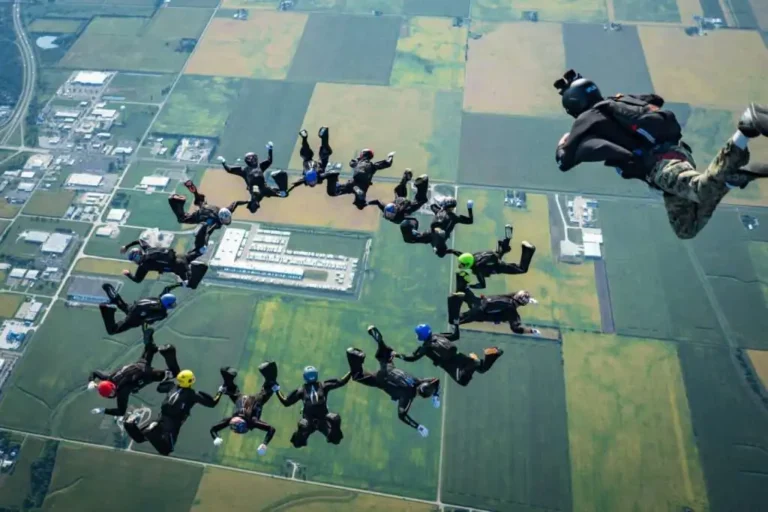
By utilizing structured aerodynamic models, enforcing strict tracking patterns, and maintaining clear communication protocols, teams can minimize the risks inherent in group freefall. Ultimately, long-term success in this discipline relies on recognizing that large-scale relative work requires meticulous planning, precise execution, and a deep respect for the laws of fluid dynamics.