Aviation Standards and Geography: Analyzing Top Skydiving Experiences in America
The infrastructure of civilian parachuting within the United States operates as a complex subsystem of civil aviation. While the sport is frequently perceived as an isolated extreme activity, its execution relies on strict integration with national airspace architectures. Dropzones throughout the country operate under the regulatory umbrella of the Federal Aviation Administration. These facilities must negotiate geographical boundaries, meteorological realities, and diverse fleet dynamics. Consequently, identifying exceptional operational standards requires an analytical approach that goes beyond marketing claims or superficial scenic descriptions.
Aviation safety margins are determined by consistent maintenance schedules, pilot experience levels, and structural equipment standards. Over past decades, the domestic parachuting landscape has evolved from a collection of decentralized, post-war military surplus operations into a highly specialized industry. This modern framework utilizes multi-engine turbine aircraft, complex digital telemetry systems, and standardized instructional methods. These investments are necessary to manage the aerodynamic loads and human physiological changes encountered during high-altitude terminal velocity descent.
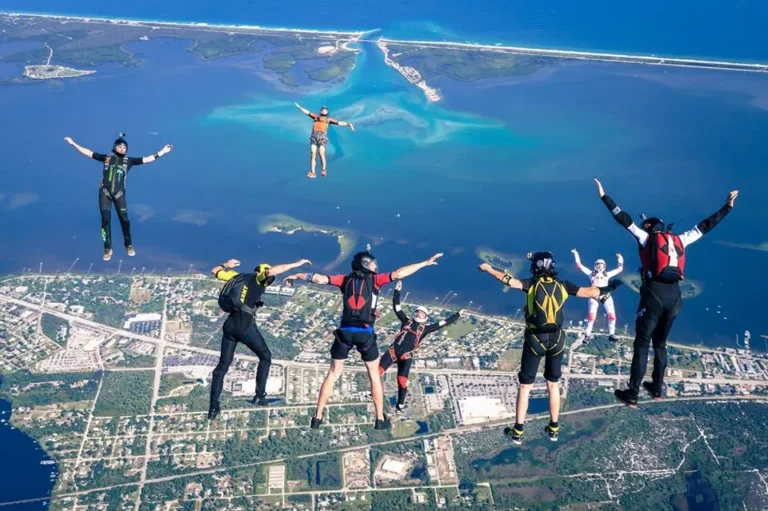
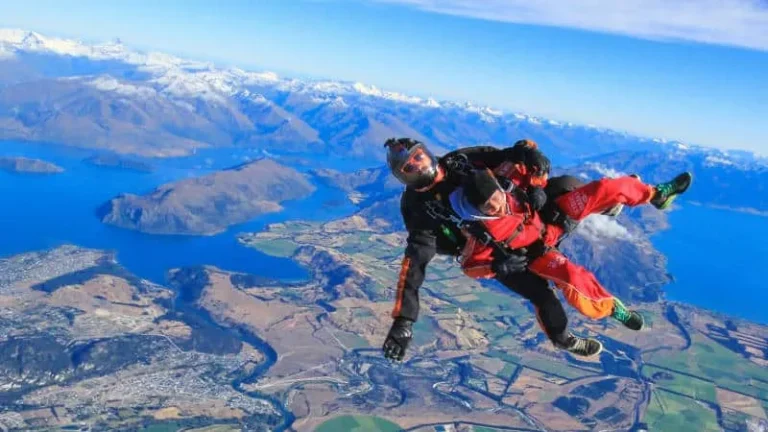
Evaluating different dropzone configurations requires examining localized microclimates and regional air traffic constraints. Coastal dropzones must contend with shifting marine boundaries, while high-altitude mountain locations deal with rapid thermal changes and reduced air density. Each environment requires specific pilot training and specialized canopy flight skills. This comprehensive structural analysis provides an objective framework for evaluating the operational systems, risk models, and logistical demands that define the highest tiers of civilian sport aviation.
Understanding “top skydiving experiences in america”
Deconstructing the Operational Variables
Evaluating top skydiving experiences in america requires separating scenic aesthetics from the underlying aviation infrastructure. True excellence within sport aviation is defined by the systematic reduction of mechanical friction and the optimization of safety protocols. A high-tier operational environment is characterized by the presence of large multi-engine turbine fleets rather than small piston-powered aircraft. These larger hulls allow for faster climb times, which significantly mitigates human passenger fatigue during extended flights.
Airspace Classifications and Traffic Management
The geographic placement of a dropzone relative to major metropolitan centers introduces distinct air traffic management challenges. Facilities located near Class Bravo or Class Charlie airspace corridors must maintain continuous radar contact with regional air traffic control centers. These strict communication protocols protect jumpers from intersecting commercial flight paths. Conversely, remote rural dropzones enjoy open Class Echo or Class Golf airspace, allowing for more flexible flight operations but requiring higher internal radar monitoring vigilance.
Balancing Hospitality Assets with Functional Rigging Space
Modern destination dropzones frequently attempt to combine high-end ground services with active flight lines. This combination introduces structural friction when guest seating areas infringe upon designated parachute packing spaces or equipment assembly points. Top-tier hubs solve this structural problem by implementing rigid physical barriers between non-aviation hospitality zones and active rigging hangers. This strict separation ensures that certified master riggers can perform equipment inspections without visual or physical distractions from visitors.
Contextual Background and Historical Evolution
Post-War Surpluses and Utilitarian Beginnings
The structural foundation of American civilian parachuting was established using decommissioned military equipment following the Second World War. Early dropzones operated on minimal budgets out of rural, unpaved airfields where passenger comfort was non-existent. These initial operations used heavy round military surplus parachutes that offered minimal steerability and high landing impact speeds. During this early era, the sport was restricted to a small cohort of former military personnel who accepted high mechanical risk profiles.
The Ram-Air Canopy Revolution
The introduction of the square, ram-air parachute design in the late twentieth century changed the safety dynamics of the sport. These dual-layered fabric wings inflate during flight to create a rigid airfoil shape, allowing for precise forward speed and controlled landings. This technological shift enabled operators to offer tandem jumps, where a student is securely attached to an experienced instructor. This commercial breakthrough allowed dropzones to expand their facilities and invest in faster turbine aircraft.
Fleet Modernization and Turbine Adjustments
As the demand for tandem and student training grew, old piston-powered planes became major operational bottlenecks. Leading dropzones replaced these smaller aircraft with specialized turbine powerplants like the Cessna 208 Caravan and the de Havilland Canada DHC-6 Twin Otter. These modern airframes dramatically increased daily flight capacity while reducing the time required to reach standard exit altitudes. This industrialization turned rural landing strips into highly efficient regional aviation hubs.
Conceptual Frameworks and Aeronautical Mental Models
The Swiss Cheese Safety Model in Parachuting
This classical risk management framework states that accidents are prevented by placing multiple layers of protection between a hazard and an individual. In sport aviation, these layers include pre-flight gear inspections, automatic activation devices, pilot weather assessments, and jumpmaster oversight. An incident only occurs when holes in each defensive layer align simultaneously. Premium operations reduce these holes by introducing redundant inspections before every flight rotation.
The Density Altitude Lift Equation
Jumpers must understand that air density decreases as elevation and ambient temperatures rise, which alters both aircraft and parachute performance. High density altitude reduces engine efficiency and requires faster landing speeds under canopy. For example, a dropzone operating in the mountain states during July requires longer runways for takeoff than a coastal facility at sea level. Instructors must adjust their landing patterns to account for these thinner atmospheric layers.
Task Saturation and Cognitive Load Management
During freefall, individuals experience rapid sensory inputs that can easily overwhelm human cognitive processing limits. This state of task saturation can cause jumpers to lose track of time or altitude, creating serious safety risks. Premium training programs counter this vulnerability by breaking down freefall maneuvers into simple, sequential actions. Students practice these sequences on the ground until they become automatic, preserving mental clarity during high-speed descent.
Classifications of Structural Dropzone Variations
Domestic sport aviation operates across several distinct geographic environments, each presenting unique benefits, fleet requirements, and localized weather challenges.
Selecting the Right Environment
These distinct regional profiles show that choosing a dropzone involves balancing scenic views with your specific training needs. For instance, a student seeking an initial solo license will benefit from the open terrain and predictable weather of agricultural flatlands. Conversely, experienced canopy flyers might prefer coastal strips, where steady sea breezes allow them to practice precision high-speed landings over a well-defined water course.
Detailed Logistical Scenarios and Airspace Realities
Scenario A: High Thermal Turbulence in a Desert Basin
An aircraft loads twenty jumpers for a high-altitude formation flight over a desert dropzone during a hot afternoon. As the flight climbs past 8,000 feet, ground temperatures trigger strong thermal columns that disrupt air patterns near the landing field.
-
Constraints & Structural Demands: Thinner air reduces parachute lift, which increases landing speeds and requires larger, obstruction-free landing zones.
-
Decision Points: The safety officer must decide whether to pause flight operations until the ground cools or instruct jumpers to use larger reserve landing fields.
-
Failure Modes: Allowing low-experience students to land during peak thermal activity can lead to hard landings if they encounter sudden sinking air currents near the ground.
-
Second-Order Effects: Extended weather holds alter manifest schedules, causing long passenger delays and increasing pilot fatigue over the course of the day.
Scenario B: Marine Cloud Intrusion Over a Coastal Strip
A high-capacity turbine aircraft takes off from a coastal runway with a group of experienced jumpers. During the ten-minute climb to 14,000 feet, a thick layer of marine fog rolls in, completely obscuring the primary landing field.
-
Constraints & Structural Demands: Aviation safety regulations prohibit jumping through solid cloud layers without clear visual contact with the ground.
-
Decision Points: The pilot must coordinate with air traffic control to abort the jump and bring the passengers down safely using instrument flight rules.
-
Failure Modes: Dropping jumpers through cloud cover can cause them to drift off-course, risking dangerous water landings or collisions with coastal structures.
-
Second-Order Effects: The aborted flight requires ground teams to coordinate transport shuttles to alternative inland landing fields, which can disrupt the dropzone’s daily schedule.
Scenario C: High Density Altitude in a Mountain Valley
An aircraft attempts a maximum-capacity takeoff from a mountain runway on a hot summer afternoon, where the high elevation reduces engine performance.
-
Constraints & Structural Demands: Thinner air limits the aircraft’s rate of climb and requires longer runway distances to reach takeoff speed safely.
-
Decision Points: The pilot must reduce passenger loads or postpone subsequent flights until temperatures drop later in the evening.
-
Failure Modes: Overloading the plane in high density altitude conditions can cause sluggish takeoff performance and prevent the aircraft from clearing nearby valley obstacles.
-
Second-Order Effects: Reducing passenger limits decreases the dropzone’s hourly revenue, forcing operators to adjust their fuel budgets and staff schedules.
Scenario D: Commercial Airspace Integration Near Cities
A metropolitan dropzone operating near a busy international airport must coordinate a high-altitude jump without disrupting commercial airline arrival paths.
-
Constraints & Structural Demands: The dropzone lies just beneath a major commercial flight corridor, requiring constant radar contact with regional air traffic controllers.
-
Decision Points: The pilot must find a precise launch window that allows the jumpers to exit safely without delaying inbound commercial airliners.
-
Failure Modes: Missing the approved exit window can force the plane into long holding patterns, draining fuel and forcing a cancellation of the jump.
-
Second-Order Effects: Repeated airspace delays strain relationships with local aviation regulators, which can lead to permanent altitude restrictions on sport flights in the area.
Capital Allocation and Resource Dynamics
Operating a modern dropzone requires substantial capital investment to maintain safety standards and cover fleet overhead. These financial requirements directly shape passenger ticket pricing and infrastructure development.
Balancing Operating Costs Against Equipment Lifespans
The financial sustainability of an aviation program depends on balancing daily operating costs with long-term equipment depreciation. High-capacity turbine engines require expensive overhauls after a set number of flight hours, which demands careful budget planning. Dropzones must allocate a portion of every ticket sale to an engine maintenance fund to ensure these vital services can be performed without disrupting seasonal operations.
The Impact of Aviation Insurance Infrastructure
Insurance premiums represent a significant overhead cost for commercial sport aviation facilities. These liability policies are priced based on the dropzone’s safety record, fleet age, and instructor experience levels. Dropzones that invest in modern safety equipment and structured training programs enjoy lower insurance rates, allowing them to reinvest those savings into facility upgrades and staff development.
Cost Breakdowns for Top-Tier Aviation Programs
The following table highlights the primary capital requirements for running a high-capacity commercial sport aviation program.
Technological Assets and On-Site Systems
Automatic Activation Backup Devices
The widespread use of electronic Automatic Activation Devices (AADs) has fundamentally improved safety margins in sport aviation. These small computers are installed inside the parachute container, where they continuously monitor altitude and descent speed. If a jumper remains in freefall below a critical threshold, the device automatically fires a cutter to open the reserve parachute. This automated backup has saved numerous lives during moments of instructor or student disorientation.
Digital Manifesting Systems
Modern dropzones rely on advanced digital manifesting software to coordinate flight loads and track jumper credentials in real time. These cloud-based platforms automatically verify that each participant holds a current skydiving license and that their reserve parachute is within its legal inspection window. By automating these vital safety checks, the software prevents unauthorized or uncertified individuals from boarding the aircraft, reducing human error at the flight line.
High-Resolution Wind Sone Arrays
To manage shifting ground winds, top-tier facilities install sensitive wind sonic sensors around their landing fields. These electronic stations transmit live wind speed and direction data directly to screens in the student hangar and the pilot cabin. Having access to continuous, real-time wind data allows jumpmasters to adjust landing patterns instantly, helping students avoid hazardous ground turbulence or unexpected crosswinds during their final approach.
Risk Landscapes and Compounding Vulnerabilities
The Risk of Routine Complacency
When flight operations run smoothly for long periods without incident, a subtle risk of complacency can develop among instructors and ground crews. This relaxed mindset can lead to rushed equipment inspections or skipping standard pre-flight double-checks. To combat this vulnerability, dropzone safety officers must enforce strict safety check routines, ensuring that every piece of gear is fully verified before every takeoff.
Group Pressure in Marginal Weather Windows
The financial desire to complete a full day of flight rotations can create subtle pressure to fly in marginal weather conditions. Group momentum among eager students or instructors can cloud objective judgment, leading teams to ignore rising crosswinds or lowering cloud bases. Managing this risk requires an independent safety officer who has the sole authority to ground flights, completely isolated from the commercial interests of the manifest office.
Asymmetrical Equipment Complexities
As parachute designs become more advanced and specialized, mixing different gear configurations within a single flight rotation can introduce unexpected risks. High-speed canopy pilots require vastly different landing patterns than large, slow tandem parachutes. If these different flight profiles are not carefully coordinated during the pre-flight briefing, it can lead to traffic conflicts in the landing zone, turning a routine jump into a high-risk situation.
Long-Term Currency, Inspection Cycles, and Adaptation
Managing Reserve Parachute Repack Cycles
Federal aviation rules require all reserve parachutes to be opened, inspected, and repacked by a certified rigger every 180 days, regardless of whether they have been used. This strict inspection cycle ensures that the backup canopy fabric remains free from dampness, friction damage, or insect nesting. Elite dropzones track these dates using automated digital databases, grounding any gear the moment it passes its legal limit.
Maintaining Instructional Currency
Instructors must maintain active training currency to preserve their commercial ratings and ensure student safety. This requirement involves logging a specific number of jumps within a set timeframe and passing regular emergency procedure reviews. If an instructor takes an extended break from the sport, they must complete refresher training under the guidance of a senior examiner before they can supervise student flights again.
Comprehensive Annual Airframe Inspections
During the slower winter months, premier aviation hubs perform deep structural overhauls of their entire aircraft fleet. Specialized aviation mechanics strip down engine cowlings, check flight control cables for wear, and inspect structural cabin seams for stress fractures. These intensive annual teardowns prevent mechanical breakdowns during the busy summer season, ensuring that the fleet remains completely reliable for high-volume operations.
Metric Systems and Performance Tracking
Using Performance Data to Enhance Safety
Maintaining precise standards in sport aviation requires tracking detailed performance data across every flight rotation. Documenting wind patterns, exit stability, and landing accuracy helps operators identify safety trends and continuously refine their instructional programs.
Key Safety and Operational Performance Signals
-
Leading Indicators: The percentage of jumpers completing full pre-flight equipment inspections; the frequency of weather briefings before morning takeoffs.
-
Lagging Indicators: The total number of off-site or off-target landings recorded; the frequency of reserve parachute deployments across the student fleet.
-
Qualitative Signals: The clarity and focus of student communication during pre-flight briefings; instructor awareness during high-stress freefall training.
-
Quantitative Signals: Variations between planned canopy deployment heights and actual activation altitudes as recorded by digital data loggers.
Training Logbook Documentation Formats
Deconstruction of Common Operational Misconceptions
Myth: Small Dropzones Offer Safer, More Personal Care
Smaller facilities often run on limited budgets, meaning they may rely on older piston-driven aircraft and have less access to on-site master riggers. Larger, high-capacity facilities generally have the steady revenue needed to invest in newer planes, redundant safety systems, and full-time equipment maintenance teams.
Myth: Parachutes Open Automatically on All Jumps
Electronic activation devices provide an excellent automated safety backup, but they are separate mechanical systems that must be turned on, calibrated, and maintained correctly before every flight. Jumpers must always be fully trained to open their main and reserve parachutes manually, never treating technology as a replacement for solid human skills.
Myth: High Altitude Jumps Are inherently More Dangerous
Higher exit altitudes provide longer freefall times, which gives jumpers more time to resolve unexpected equipment issues or body position errors. Low-altitude jumps actually leave narrower margins for error, demanding quicker reactions and flawless execution from the moment you leave the aircraft door.
Myth: Any Licensed Pilot Can Fly a Jump Plane Safely
Flying a skydiving aircraft requires highly specialized pilot training to handle rapid weight changes as jumpers exit the door. Pilots must also know how to manage engine cooling during steep descents without damaging the machinery, which requires skills far beyond standard commercial flight training.
Myth: Modern Parachutes Are Immune to Malfunctions
Modern square parachutes are incredibly reliable, but poor packing techniques or unstable body positions during deployment can still cause line twists or partial openings. Jumpers must practice emergency procedures regularly on the ground so they can respond instantly if a gear issue occurs in the air.
Myth: Scenic Ocean Views Always Deliver a Better Experience
Beautiful views add to the enjoyment of a jump, but coastal locations often present tricky wind patterns and rapidly changing cloud layers. A top-tier experience depends much more on the quality of the aviation infrastructure and the experience of the safety team than on the scenery below.
Final Systemic Synthesis
Evaluating top skydiving experiences in america requires looking past basic marketing and analyzing the core aviation systems in place. A truly exceptional high-altitude experience relies entirely on the quality of its turbine fleet, strict airspace management, and thorough safety training. By prioritizing these operational essentials over superficial aesthetics, jumpers can manage risks effectively and focus on building their flight skills with absolute peace of mind.
Long-term growth and skill development in sport aviation require an ongoing commitment to equipment currency, safety checks, and performance logging. Treating your choice of dropzone as a careful logistical decision ensures that your training remains safe, organized, and rewarding over time. Ultimately, the most valuable facilities are those that maintain quiet, disciplined operational routines, letting you experience the challenge of human flight in a secure and professional environment.