Analysis of Adventure Skydiving Destinations USA | Comprehensive Operational Blueprint
Civilian skydiving in North America has shifted from an unorganized extreme pursuit into a highly technical sector of aviation sports. The development of specialized dropzones across diverse geographical areas represents a major change in how sport jumpers use the sky. This change requires a careful look at how environmental factors, local air traffic, and regional weather systems interact.
Choosing a high-stakes jumping location involves more than just picking a pretty backdrop. The structural features of a dropzone—such as its baseline field elevation, nearby mountain formations, and coastal wind patterns—directly affect how a parachute performs. Jumpers must look past generic marketing claims to understand the real aerodynamic and logistical realities of these unique areas.
Analyzing these premier environments requires an objective, engineering-focused mindset. This comprehensive guide looks at the structural, financial, and safety systems that define the top locations across the country. By looking at how regional microclimates affect flight operations, we can build a clear framework for evaluating adventure skydiving destinations usa features.
Understanding “adventure skydiving destinations usa”
Unpacking the Operational Definition
Evaluating adventure skydiving destinations usa requires looking past simple tourism descriptions. In the commercial skydiving industry, “adventure” signifies an environment that demands advanced navigation skills. These locations often feature complex weather patterns, changing wind currents, or tight landing zones surrounded by water or mountain peaks.
The Complexity of Real-Time Hazards
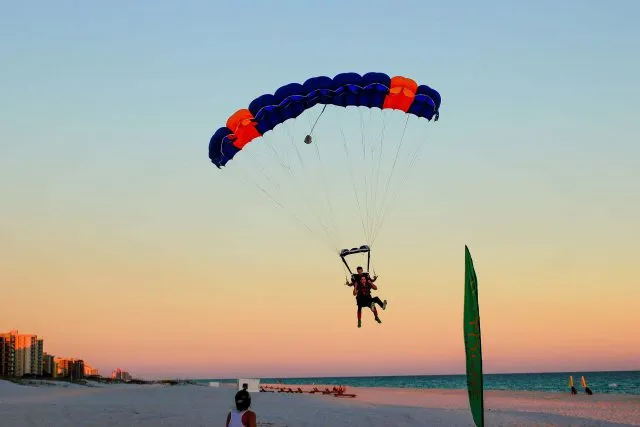
A common mistake is assuming that any scenic dropzone fits this high-level classification. True adventure destinations force a jumper to manage multiple overlapping environmental factors at the same time. For example, a coastal jump over an island looks beautiful, but it requires precise canopy control to handle sudden offshore wind shifts.
Airspace and Structural Limitations
Furthermore, these locations are often limited by nearby commercial air corridors or complex local geography. A mountain valley dropzone might offer incredible vertical relief, but it also features narrow flight corridors and fewer clear fields for emergency off-site landings. This reality means jumpers must shift from passive passengers to active managers of environmental risks.
Deep Contextual Background
Post-War Aviation Roots
The modern landscape of adventure skydiving across the United States grew out of mid-century military infrastructure and early federal airspace rules. After World War II, the federal government handed hundreds of surplus military auxiliary fields over to local towns. This created a widespread network of runways that became the foundation for civilian sport aviation.
The Shift to Turbine Power
During the early years of sport parachuting, operations were mostly limited to small, single-engine piston aircraft. These planes climbed slowly, which kept most dropzones located in flat, rural areas where flight patterns were simple. The introduction of large turboprop aircraft in the 1980s completely changed the business model of the sport.
Modern High-Altitude Footprints
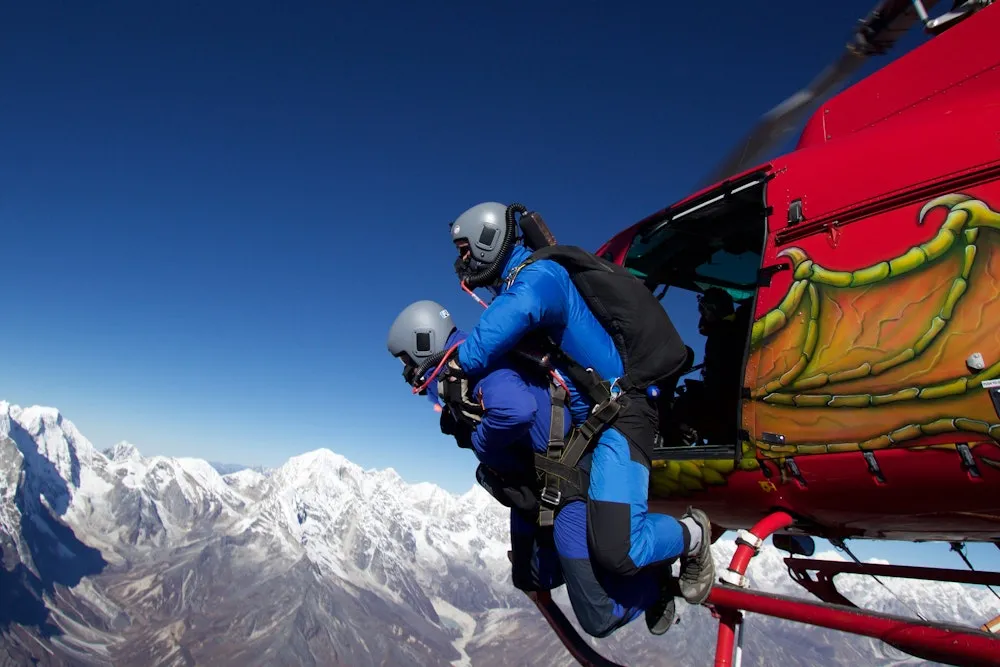
Turbine aircraft allowed operators to carry larger groups of jumpers to higher altitudes much faster. This increased efficiency made operations viable in logistically challenging coastal zones and remote mountain valleys. Today, these advanced dropzones form a specialized segment of the aviation industry, driven by improved aircraft reliability and high consumer demand for unique jumps.
Conceptual Frameworks and Mental Models
The Microclimate Boundary Matrix
The Microclimate Boundary Matrix measures how local weather variations affect the safety margin of a specific jump location.
This formula shows that locations with high thermal activity or rapid pressure shifts have a smaller margin for error. The model helps identify when changing local conditions require pausing flight operations.
The Altitude Density Performance Model
This framework tracks how elevation changes affect aircraft performance and parachute handling.
This model emphasizes why high-altitude inland dropzones require faster canopy flight planning and more precise timing during landing.
The Visual Saturation Index
This model evaluates how complex scenery affects a jumper’s positional awareness. When a landscape features intricate patterns—like jagged shorelines or deep desert canyons—the human brain takes longer to calculate exact altitude.
Key Categories and Regional Variations
Pacific Coastal Corridors
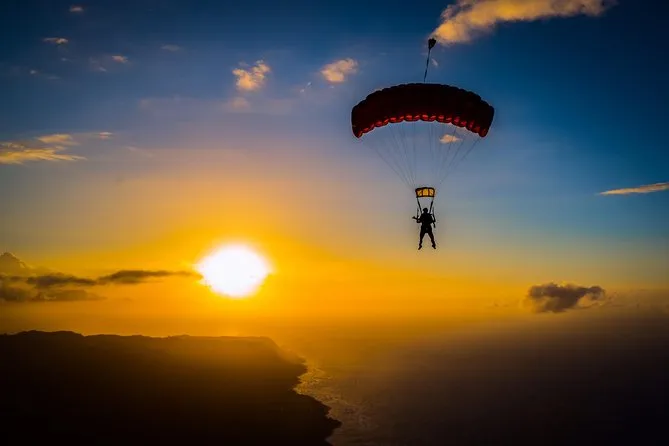
These dropzones sit right on the edge of the ocean, where marine air layers are a constant factor. Strong sea breezes typically develop by midday, which helps slow down landings but requires careful crosswind planning.
High Alpine Valleys
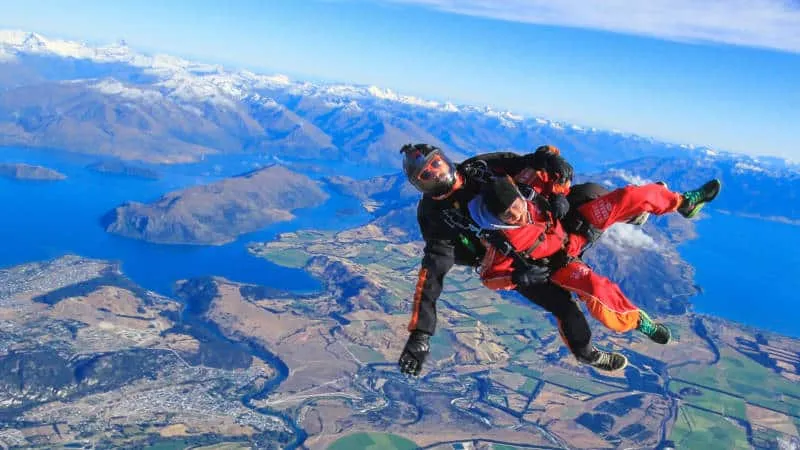
Located deep within major mountain ranges, these fields feature high ground elevations and impressive vertical relief. Jumpers must navigate mechanical turbulence caused by wind blowing over nearby peaks.
Southwest Fault Canyons
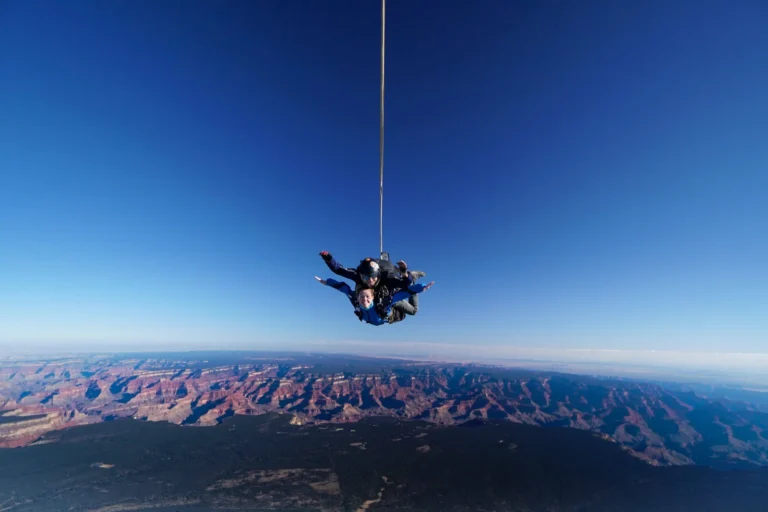
Characterized by deep rock cuts and dry, sandy soil. These zones offer exceptional horizontal visibility, but intense sun exposure creates strong thermal updrafts that can disrupt afternoon canopy control.
Subtropical Archipelagos
Island locations provide incredible panoramic views but feature very tight landing zones surrounded by water. Sudden tropical rain showers require pilots to monitor weather radars constantly.
Great Lakes Marine Basins
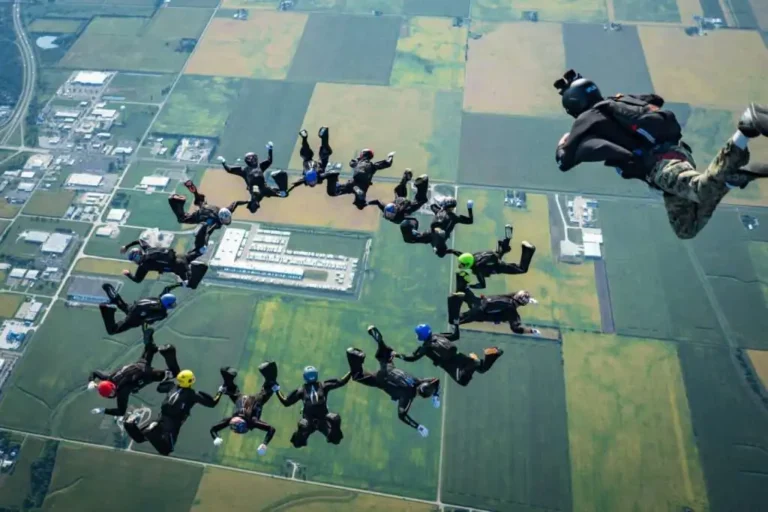
These locations combine expansive water views with regular, grid-like agricultural landing fields. The main challenge here is late-season lake-effect cloud cover, which can drop lower unexpectedly.
Atlantic Estuaries
Featuring intricate networks of salt marshes, winding rivers, and older coastal towns. These locations offer high color contrast during the fall, though nearby forests limit options for emergency off-field landings.
Environmental Comparisons and Operating Windows
Selection Logic
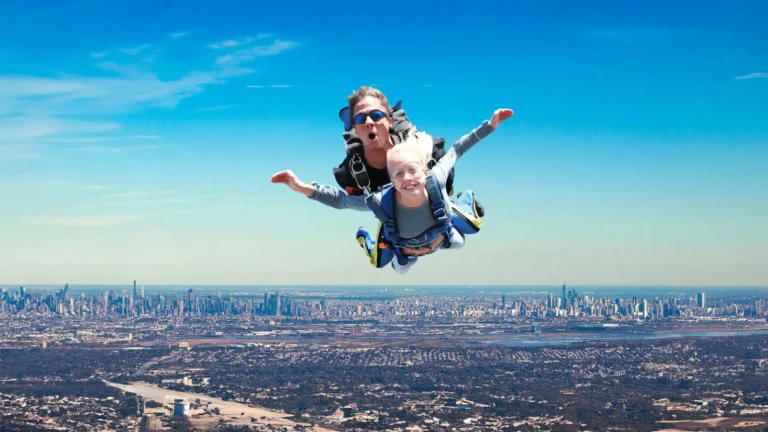
Picking an adventure destination requires balancing your actual certification level against the challenges of the local environment. A newly licensed jumper might want to avoid high-altitude mountain fields due to fast landing speeds. Conversely, a tandem passenger can experience these intense environments safely because an experienced instructor handles the technical flight choices.
Detailed Real-World Scenarios
Scenario A: High-Altitude Mountain Valley Jump
A licensed sport jumper schedules a high-altitude jump into an alpine valley situated at 6,500 feet above sea level.
Local Flight Conditions
The thin mountain air reduces parachute lift, which increases both forward speed and descent rates during canopy flight.
Decision Points
The jumper must track upper-level wind speeds to avoid being pushed behind downwind ridges, where turbulent air can cause a canopy collapse.
Failure Modes
Failing to adjust for the higher landing speed can cause the jumper to flare the parachute too late, resulting in a hard landing on rough ground.
Second-Order Effects
The reduced oxygen levels at high altitude speed up physical fatigue, which can impair a jumper’s judgment during later flights.
Scenario B: Coastal Peninsula Descent
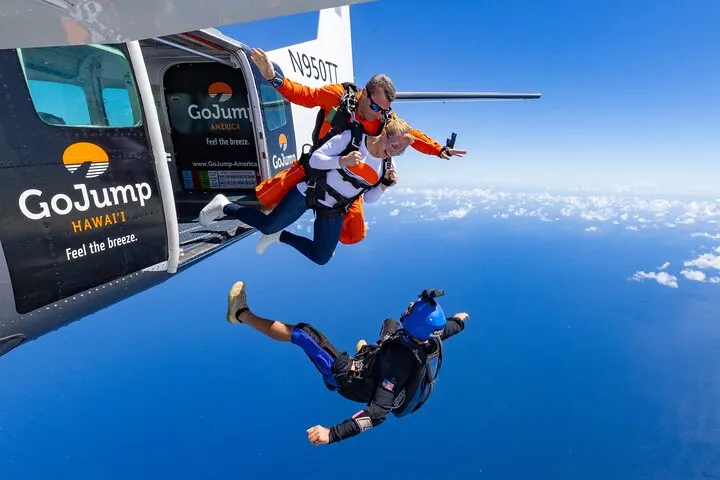
A commercial tandem pair boards a turbine aircraft for a flight over a narrow coastal peninsula.
Shifting Coastal Winds
The wind shifted from a stable sea breeze to a gusty offshore pattern while the aircraft was climbing to jump altitude.
Pilot Navigation Adjustments
The pilot must adjust the jump run location to ensure that the wind carries open parachutes back toward the designated airfield instead of out over open water.
Emergency Complications
If a canopy opens too far downwind, it might lack the forward performance to clear coastal highways or shoreline trees.
Long-Term Maintenance Costs
Constant exposure to salt-heavy ocean air accelerates the wear on parachute fabric, requiring more frequent safety inspections.
Scenario C: High-Desert Plateau Jump
A sport jumper makes an afternoon jump over a deeply carved canyon network during mid-summer.
Intense Thermal Drafts
The dark rock canyon walls absorb heat rapidly, creating powerful columns of rising air known as thermals.
Flight Path Adjustments
The jumper must plan a flight path that avoids these thermal columns, especially when flying their final landing pattern near canyon edges.
Low-Altitude Canopy Instability
Entering a strong thermal at low altitude can cause unexpected canopy turns or a sudden drop in lift near the ground.
Ground Operation Interruptions
Dust devils moving across the primary landing zone can force organizers to halt flight operations until conditions stabilize.
Scenario D: Great Lakes Coastal Operation
A group of sport jumpers takes part in a seasonal event focused on landing on a designated beach.
Narrow Landing Boundaries
The safe landing area is a narrow strip of sand bordered by cold lake water on one side and tall trees on the other.
Early Flight Decisions
Jumpers must commit to their final landing approach early to ensure they stay clear of water and obstacles.
Hard Sand Impacts
Misjudging the wind direction along the shoreline can lead to a downwind landing on packed, wet sand.
Equipment Cleaning Needs
Fine sand particles can get trapped inside mechanical gear releases, requiring a complete breakdown and cleaning after every jump.
Planning, Cost, and Resource Dynamics
Analyzing Aircraft Operating Costs
Running a turbine dropzone in logistically challenging areas involves clear financial realities. High-altitude fields and coastal operations face higher costs due to aircraft engine wear, local fuel transport fees, and shorter seasonal operating windows. These factors directly affect the prices of jump tickets and gear rentals.
Comprehensive Expense Breakdowns
Travel Flexibility and Weather Risks
Jumpers must weigh the financial cost against the risk of unexpected weather delays. Remote mountain dropzones can experience sudden weather shifts that ground flights for days at a time. Travelers should include extra buffer days in their plans to avoid missing out due to rain or high winds.
Tools, Strategies, and Support Systems
Specialized Navigation Instruments
Navigating safely through changing airspace requires using modern equipment. Standard altimeters are often supplemented with digital tools designed to handle the challenges of complex terrain.
-
Multi-Sensor Digital Altimeters: Provide real-time altitude readouts and track descent rates across areas with changing ground elevations.
-
Inflatable Flotation Systems: Small, belt-mounted life vests required for jumps where an off-field landing could finish in open water.
-
High-Frequency Two-Way Radios: Allow ground crews to send wind updates directly to sport jumpers navigating long distances under canopy.
-
High-Resolution Weather Models: Digital tools like the HRRR model help pilots track local wind currents and mountain wave activity.
-
Polarized High-Contrast Lenses: Reduce intense glare from water, sand, or snow, helping jumpers maintain sharp depth perception.
-
GPS Canopy Flight Loggers: Record flight paths, allowing jumpers to analyze how local terrain shapes wind patterns.
-
Handheld Laser Anemometers: Used by safety officers to measure wind speeds at specific points along tight landing boundaries.
Risk Landscape and Failure Modes
Identifying Environmental Hazards
The unique geography that makes an adventure dropzone appealing also introduces distinct safety challenges. Understanding these hazards prevents a jumper from letting beautiful scenery distract them from safety.
-
Water Optical Illusions: Flat, glassy water surfaces can impair depth perception, leading to early or late canopy flare choices.
-
Mechanical Wind Shear: Strong winds hitting vertical cliffs create powerful downdrafts and turbulent air pocket zones on the leeward side.
-
Rapid Thermal Shifts: Warm air rising from hot ground can cause sudden changes in surface wind direction within seconds.
The Mechanism of Compounding Mistakes
Serious incidents are rarely caused by a single equipment issue. Instead, they usually happen when multiple small mistakes stack up over time. For example, if a jumper gets distracted by the view, they might lose track of where they are relative to the airfield.
If they open their parachute too far downwind, they may find themselves fighting strong head-winds at a low altitude. Trying to stretch a canopy’s glide over trees can lead to a low-speed stall, causing a hard landing.
Governance, Maintenance, and Long-Term Adaptation
Intersecting Regulatory Frameworks
Adventure dropzones operate under a combination of federal rules, local airport agreements, and voluntary safety guidelines. Because these facilities are often located near national parks or busy metropolitan areas, they face regular operational reviews.
Local Operational Standards
-
Airspace Compliance: Pilots must fly precise routes to stay clear of major commercial airline corridors and restricted park areas.
-
Salt-Air Gear Care: Parachutes used near the ocean must be regularly inspected for salt buildup to ensure lines do not twist or stick during deployment.
-
Staff Training Reviews: Instructors must complete regular safety drills focused on local hazards, such as water rescues or high-altitude landings.
Measurement, Tracking, and Evaluation
Operational Metrics and Safety Audits
Dropzone managers evaluate safety using clear operational data alongside qualitative performance reviews. These metrics help high-volume operations maintain a high level of safety over time.
Key Tracking Indicators
-
Off-Field Landing Percentages: Tracks how often jumpers miss the primary landing zone, which can highlight issues with pilot drop placement or wind calculations.
-
Wind-Hold Frequency Rates: Measures how often management pauses operations due to weather, reflecting a conservative and safe approach to changing conditions.
-
Gear Malfunction Trends: Tracks equipment performance relative to total annual jumps to spot potential maintenance issues early.
Common Misconceptions and Oversimplifications
Myth: Clear weather always means perfect jumping conditions.
Clear skies can sometimes hide major aviation challenges. High ground temperatures or strong upper-level winds can create severe turbulence even on a cloudless day.
Myth: Coastal jumps involve a constant danger of landing in the water.
Dropzones use precise calculations to determine exactly where jumpers exit the plane based on wind speeds. These systems ensure that open parachutes glide safely back to solid ground.
Myth: Mountain dropzones are only safe for world-class experts.
While sport jumpers need strong canopy skills for alpine fields, tandem passengers can access these areas easily. Experienced instructors manage all the complex navigation and landing choices.
Myth: Wide-angle cameras capture the true feeling of the jump.
Action camera lenses tend to flatten landscapes and make horizons look further away. The actual experience provides far more vertical relief and speed contrast than any video can show.
Myth: High-altitude dropzones use the same gear setups as flatland fields.
Advanced operators often change canopy sizes or modify deployment systems to handle the thinner air and faster speeds found at high altitudes.
Ethical and Practical Considerations
Managing Sound Footprints
Operating turbine aircraft near pristine natural areas requires managing noise and environmental impacts carefully. Dropzones must balance their flight schedules with the peace and quiet of nearby parks and residential communities.
Pilots use specific flight profiles, such as climbing at lower power settings and avoiding low flights over sensitive wildlife habitats. By working closely with local communities and land managers, dropzones preserve long-term access to adventure skydiving destinations usa while protecting the natural environments below.
Conclusion
Evaluating adventure skydiving destinations across the United States requires looking closely at geography, aerodynamics, and local weather patterns. Every environment—from windy coastlines to high alpine valleys—presents unique challenges that demand careful planning and the right equipment.
By analyzing these premium locations through an objective framework, jumpers can make smart choices that balance great views with solid safety habits. Ultimately, combining a thorough understanding of the local environment with disciplined preparation ensures that every high-stakes jump remains both thrilling and safe.