Financial Efficiency Optimization Framework for Progressive Sport Parachuting and Private Fleet Infrastructure
How to reduce skydiving costs. Civilian sport parachuting operates within an intricate, capital-intensive infrastructure where financial expenditures are tightly bound to aviation overhead and equipment depreciation. For licensed aviators seeking long-term progression, structural cost analysis must look past superficial promotional discounts to evaluate total lifecycle asset management. Every training milestone, equipment verification standard, and manifest protocol is shaped by an underlying network of airframe efficiency, fuel logistics, and airspace availability. Navigating this ecosystem requires an analytical approach that treats cost reduction as a systematic operational calculation rather than a series of impulsive budget cuts.
Dropzones survive within strict regulatory boundaries while managing volatile aviation fuel costs, complex instructor labor allocation schedules, and expensive multi-engine turbine maintenance cycles. These back-end financial realities directly dictate how manifest systems, team training blocks, and gear rental pipelines are priced for the consumer. A lower baseline jump ticket price can easily obscure systemic operational limits, such as slow piston aircraft that require prolonged climb profiles and increase fuel surcharges. Conversely, comprehensive turbine operations optimize time spent training at terminal velocity, though they demand precise load management from individual sport jumpers.
Evaluating budgetary options requires looking past consumer-facing amenities to analyze a facility’s true structural foundation. True economic efficiency is measured by manifest turnaround velocity, airframe climb performance, on-site rigger support networks, and conservative weather management policies. This comprehensive analysis evaluates these essential operational layers, allowing individual aviators to decipher complex training frameworks and choose an environment that supports sustainable technological advancement.
Understanding “how to reduce skydiving costs”
Decoupling Promotional Discounts from True Operational Efficiency
When licensed skydivers attempt to evaluate long-term financial choices, they frequently mistake high-volume introductory deals for robust sport jumper infrastructure. Commercial dropzones often structure their promotional pricing around first-time tandem experiences to capture lucrative tourist markets, prioritizing these loads during peak weekend windows. An analytical comparison must separate these consumer-facing profit centers from parameters like bulk package structures, gear rental lifecycles, and manifest equity. Evaluating an operation requires assessing the actual support provided to autonomous sport flyers rather than focusing on tourist-centric processing speed.
Assessing the Trajectory of Multi-Engine Manifest Infrastructure
Operational differences between dropzones are rarely accidental; instead, they reflect intentional business models designed to target specific user groups. High-volume destination dropzones may crowd out solo sport skydivers to maximize tandem revenue on limited multi-engine turbine slots. Conversely, dedicated sport jumper hubs utilize digital manifest sequencing and structured load balancing to ensure solo aviators receive equitable seat allocations. Skydivers must recognize that facilities lacking clear sport jumper priorities often trade individual training efficiency for tourist throughput.
Uncovering Hidden Liabilities in Accelerated Training Pathways
Oversimplifying financial planning creates hidden financial vulnerabilities during advanced progression phases, where canopy coaching and formation skills directly impact personal safety. Disorganized operations may offer cheap jump tickets but lack on-site load organizers or structured skills camps to guide solo jumpers. These logistical gaps slow down technical development, as independent flyers frequently face prolonged ground wait times without receiving clear instructional feedback. A rigorous framework evaluates these operational structures to ensure that learning how to reduce skydiving costs involves strategic planning rather than compromising on instructional quality.
Deep Contextual Background and Market Structures
Post-War Surplus Hardware and Club Logistics
The commercial architecture of modern sport parachuting emerged from post-war military infrastructure, which relied on rigid, non-steerable equipment configurations. Early civilian operations utilized round surplus military parachutes, which caused high landing impacts and offered minimal steering capability to individual jumpers. These facilities functioned primarily as basic flight clubs, charging flat fees for pilot services and rudimentary gear maintenance. The market expanded slowly, limited by the extreme physical demands of early gear and a total absence of standardized training pathways for solo progression.
The Ram-Air Shift and Equipment Component Unbundling
During the 1970s, the introduction of steerable ram-air square canopies and dual-harness tandem systems transformed the industry into a structured commercial marketplace. This technological shift required dropzones to completely split their service models to accommodate specialized equipment maintenance and longer instructional timelines. Providers began unbundling their offerings, separating basic pilot seat costs from equipment maintenance fees and instructor labor surcharges. This shift allowed dropzones to target different customer segments, separating one-time tandem passengers from students pursuing independent solo licensing.
Multi-Engine Turbine Scaling and Fuel Surcharge Realities
The integration of multi-engine turbine aircraft in the late twentieth century further refined the pricing structures seen today. High-capacity airframes enabled dropzones to scale operations efficiently, turning small flight schools into high-volume training centers. To maximize profits on these expensive airframes, operators created diverse pricing tiers that bundle video services, altitude upgrades, and fast-track scheduling. Modern solo buyers must navigate an environment where digital logistics, fuel hedging, and equipment depreciation shape every available option.
Conceptual Frameworks and Mental Models
The Altitude-to-Value Efficiency Model
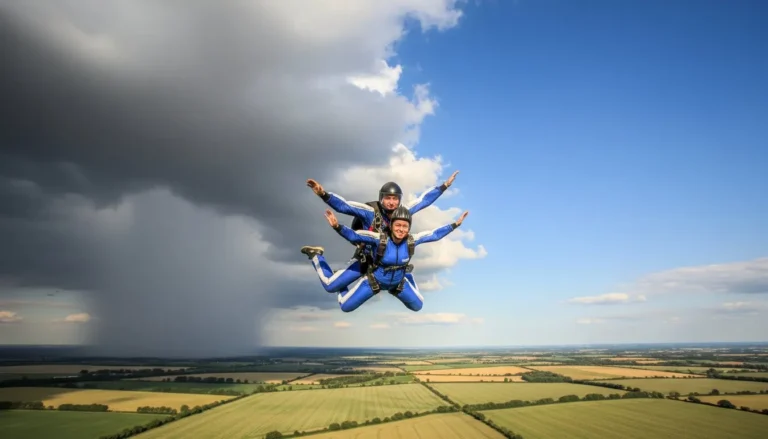
This framework measures the value of a flight contract by calculating the ratio of usable freefall time to the total cost of the jump ticket. Piston airframes often take over thirty minutes to reach 10,000 feet, which increases fuel consumption per passenger and limits total freefall time. In contrast, large turbine aircraft reach 14,000 feet in under fifteen minutes, providing more freefall time per dollar spent. When buyers evaluate options for cost efficiency, this model helps them look past base ticket prices to evaluate the actual cost per second of terminal freefall.
The Cost-of-Remediation Progression Matrix
This matrix evaluates solo progression programs by analyzing the total cost to fix poor initial habits. Lower-priced training packages often reduce instructor contact hours or cut down on wind tunnel coaching to lower the initial price. However, solo jumpers in these programs often fail advanced check dives, requiring expensive remedial jumps that quickly wipe out any upfront savings. This model demonstrates that investing in comprehensive instructional packages early on saves money over the course of a licensing program.
Price Elasticity of Dropzone Safety Culture
This framework looks at how a dropzone’s pricing levels impact its day-to-day safety choices and equipment maintenance. Operations that run on razor-thin profit margins are often forced to maximize passenger volume to cover their basic overhead costs. This financial pressure can tempt operators to fly in marginal weather or delay routine gear inspections to avoid losing business. High-value choices require finding facilities where pricing margins are healthy enough to support conservative safety choices and strict equipment maintenance cycles.
The Total Cost of Ownership Equipment Horizon
This mental model tracks the long-term financial reality of moving from rental gear to purchasing personal skydiving equipment. Beginner packages often look attractive because they include cheap rental options, but they can become expensive if a student’s progression slows down. As a jumper’s skills improve, they quickly outgrow large student gear, making long-term rental packages less cost-effective than buying personal equipment. This framework helps jumpers plan their transition points to avoid spending money on depreciating rental tiers.
Key Categories of Expense Optimization
Upfront Capital Block Commitments
This category involves buying large packages of jump tickets in advance, which helps secure lower per-jump rates from the dropzone. Operators are willing to offer discounts on these advance blocks because it gives them predictable cash flow to cover fixed overhead costs. For the solo jumper, this method reduces the cost of individual flights, provided they make enough jumps before the tickets expire. The trade-off is the significant upfront investment, which ties up capital that could otherwise be used for gear or coaching.
Shared Equipment Cooperatives and Used Assembly Acquisition
This variation focuses on reducing equipment expenses by purchasing high-quality secondhand gear assemblies instead of brand-new custom components. Parachutes and containers made by major manufacturers hold their value well and can often be refurbished by a certified rigger for a fraction of the cost of new gear. Jumpers can also form equipment partnerships, sharing the cost of a rig with another licensed skydiver of similar physical size. This cooperative strategy dramatically lowers the initial barrier to ownership, though it requires clear schedules to avoid weekend booking conflicts.
Integrated Wind Tunnel Training Packages
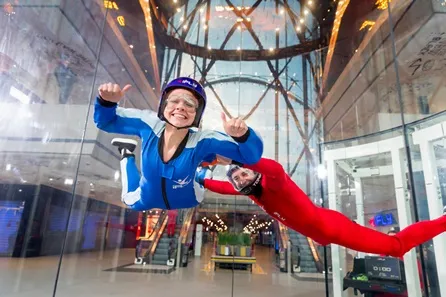
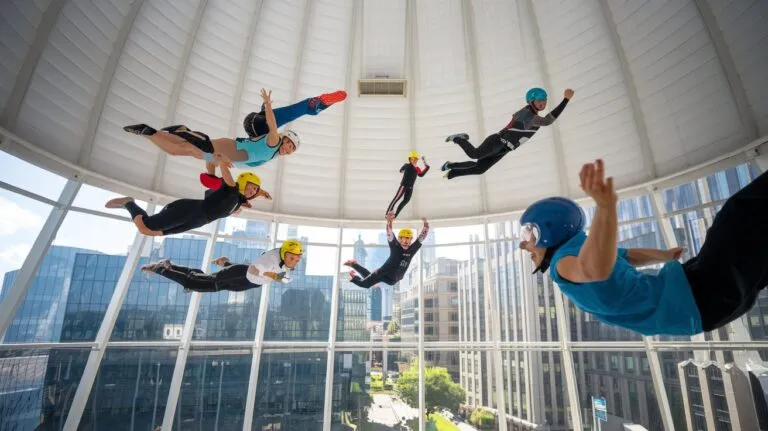
This tier utilizes indoor vertical wind tunnels to maximize the efficiency of freefall body control training. While wind tunnel rental rates per minute look high, the dense training environment provides continuous flight time without aircraft climb delays. One hour of structured tunnel coaching delivers the training equivalent of dozens of standard freefall jumps, helping jumpers master advanced maneuvers rapidly. This approach allows solo skydivers to compress their training timelines and avoid spending money on repeated, uncoached jump tickets.
Load Organizing and Non-Profit Skill Seminars
This category connects solo jumpers with licensed dropzone load organizers who design group formation jumps at no extra cost to the participants. These community-focused programs eliminate the need for expensive private instructors during intermediate progression phases. Jumpers share the slot costs of the group flights while receiving professional guidance on exit techniques, flight lines, and landing safety. This collaborative structure helps independent flyers build their skills efficiently within an affordable, safety-oriented framework.
Off-Season Relocation and Regional Arbitrage
This strategy involves traveling to seasonal dropzones located in regions with low fuel costs, competitive ticket prices, and stable winter weather. By moving training blocks to these high-volume winter hubs, solo jumpers avoid weather delays that cause skills to rust. These destination facilities often run multiple high-capacity turbine aircraft, keeping manifest lines moving fast and lowering the cost per jump through sheer volume. The added travel and lodging costs are frequently offset by the lower ticket prices and rapid training pace.
Commercial Pricing and Infrastructure Matrix
Realistic Selection Logic
Maximizing your aviation budget requires matching your current license level against the specific business models of local dropzones. A newly licensed jumper should focus on used gear assemblies and local load organizing programs to build basic skills without high equipment overhead. Conversely, an advanced competitor will find the best value by buying bulk turbine ticket blocks and booking structured wind tunnel time. Analyzing where an operation focuses its resources helps you avoid hidden fees and ensures your spending aligns with your technical progression.
Detailed Real-World Scenarios and Operational Logic
Scenario A: Balancing a Fixed Bulk Ticket Block Against Regional Weather Risk
A solo jumper balances a discounted hundred-ticket manifest block against pay-as-you-go jumps at a dropzone in the American Southwest, where dust devils change ground conditions rapidly. The upfront block offers a 20% discount on ticket prices but requires using all ticket allocations within a fixed twelve-month window. If extended periods of high ground winds or seasonal thermal turbulence halt solo sport operations, the jumper risks passing the expiration date with unused slots.
To protect their investment, the solo jumper must review the contract’s refund policies and extension clauses before paying upfront. If the dropzone refuses to pause the contract during bad weather, the pay-as-you-go model becomes the safer option despite its higher per-jump cost. This approach allows the solo jumper to transfer their training records to other facilities if local weather conditions stall their progress for too long.
Scenario B: Evaluating Budget Dropzones with Small Piston Airframes
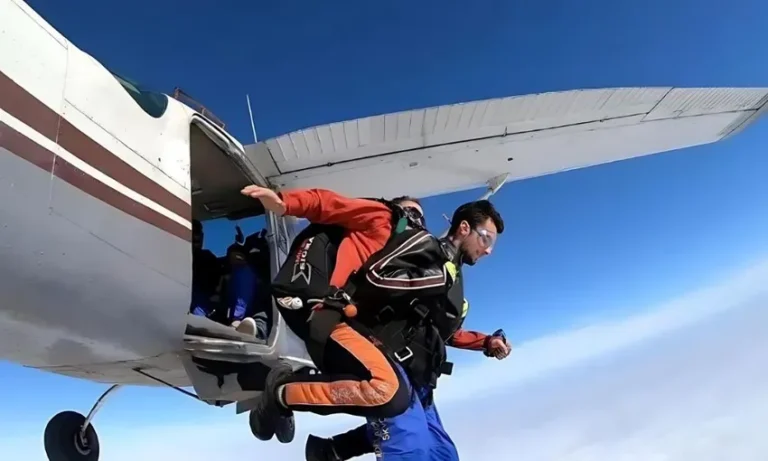
A licensed skydiver wants to evaluate different training options across two competing facilities located within an hour’s drive of each other. The first facility offers a budget solo ticket for $25, exiting at 10,000 feet from a single-engine piston aircraft. The second provider charges $38 for a 14,000-foot exit from a high-capacity twin-turbine aircraft.
Analyzing the freefall economics reveals that the budget tier provides only thirty-five seconds of freefall, resulting in a high cost of $0.71 per second. The premium turbine tier provides sixty seconds of freefall, lowering the actual cost to $0.63 per second. Additionally, the turbine aircraft reaches altitude much faster, reducing the jumper’s total time spent waiting on the ground and allowing for more training jumps per day.
Scenario C: Transitioning from Large Rental Canopies to Advanced Personal Wings
A solo jumper with 60 jumps evaluates a dropzone’s seasonal rental gear contract versus buying a complete personal equipment assembly from an industry manufacturer. The seasonal rental package costs $1,500 annually and provides unlimited access to standard student gear, but it restricts the jumper to large, docility-oriented canopies. Buying a custom personal rig requires an upfront investment of $7,500 but allows the jumper to downsize to a higher-performance canopy profile.
The decision depends directly on the jumper’s current body weight, skill level, and long-term athletic goals. If the jumper plans to make more than one hundred jumps over the coming year, continuing to use student rentals will slow down their development under canopy. Buying personal gear ensures a consistent, predictable wing configuration that supports advanced skill development, making the upfront investment more cost-effective over time.
Scenario D: Managing Group Logistics During Peak Summer Team Camps
A solo team captain balances a flat-rate team training package against customized individual itineraries for a regional competition involving eight participants with varying skill levels. The flat-rate team option requires all participants to complete standard group jumps from 14,000 feet, offering no refunds for individuals who drop out due to gear malfunctions. The customized approach allows team members to choose between high-altitude team jumps, solo canopy coaching slots, or indoor wind tunnel flight sessions.
If several team members experience equipment malfunctions that prevent them from boarding the aircraft, the team faces a total financial loss for those unused slots under the rigid group contract. The customized, tiered plan protects the team budget by allowing available members to shift their slots to solo coaching sessions. This flexibility ensures full utilization of plane slots across the team while protecting the captain from paying for unused flight services.
Planning, Cost, and Resource Dynamics
Direct vs. Indirect Cost Allocations for Independent Jumpers
The total cost of participating in sport parachuting includes a variety of auxiliary expenses that are often missing from initial price comparisons. Solo jumpers must budget for mandatory national safety association memberships, regular medical screenings, and specialized third-party liability insurance coverages. These ongoing administrative fees form a predictable financial baseline that remains constant regardless of how many jumps a skydiver makes each year.
Indirect costs also include regular equipment maintenance, such as mandatory reserve parachute repacks that must be completed by a certified rigger every 180 days. Travel expenses to remote turbine dropzones, specialized apparel, and regular altimeter calibrations further increase the ongoing investment. A realistic comparison must account for these recurring operational costs alongside the initial price of flight tickets.
Detailed Cost Progression Tiers
Opportunity Cost and Aircraft Climb Performance
The time spent waiting on the ground at an inefficient dropzone represents a significant hidden cost that can stall a jumper’s progress. A facility that relies on slow, piston-engine aircraft may limit a solo jumper to just two or three training flights per weekend, slowing down muscle memory retention. Conversely, choosing an operation with a modern turbine fleet allows for efficient, back-to-back jumps that speed up training and reduce the total number of days spent at the dropzone.
Tools, Strategies, and Support Systems
Integrated Digital Flight Manifest Platforms
Modern dropzones use electronic manifest platforms to streamline aircraft loading, track jumper licenses, and handle real-time account balances. These systems allow solo jumpers to book flight slots, monitor aircraft turnaround times, and check their account balances directly from their smartphones. This digital tracking reduces ground delays, ensuring transparent slot allocations and helping jumpers maximize their time at the zone.
Laser-Guided Parachute Trimming Equipment
Certified rigging facilities use specialized laser alignment tools to verify that a parachute’s suspension lines remain within factory tolerances. Over hundreds of flights, friction heat and deployment forces can cause synthetic lines to stretch or shrink, altering the canopy’s flight behavior. Regular laser inspections detect these millimeter-level shifts early, allowing riggers to retie or replace lines to maintain predictable openings and safe landing characteristics.
High-Fidelity Wind Tunnel Diagnostic Software
Advanced indoor flight centers use specialized video delay software and body-tracking sensors to analyze a jumper’s aerodynamic position in real time. These digital tools project live performance data onto wind tunnel walls, allowing flyers to adjust their body position instantly during training. This immediate feedback loop helps speed up the development of freefall skills, making wind tunnel training a highly efficient way to build muscle memory before jumping from an aircraft.
Barometric Automatic Activation Safety Devices
Electronic Automatic Activation Devices (AADs) utilize microprocessors to continuously track changes in barometric pressure during a jump. If a solo jumper passes through a critical altitude at terminal velocity, the device fires an internal cutter to deploy the reserve parachute automatically. While these systems provide an invaluable final safety backup, jumpers must maintain regular emergency gear training and never treat electronics as a replacement for manual awareness.
Three-Dimensional Dropzone GPS Mapping Systems
Jump organizers use satellite mapping tools and wind modeling software to plot safe exit points and canopy flight paths before taking off. These digital mapping tools overlay local wind data onto high-resolution images of the landing area, highlighting potential turbulence zones around buildings or trees. Reviewing these flight models helps pilots and jumpers adjust their exit points for changing wind conditions, ensuring teams can return safely to the primary landing zone.
Portable Ultrasonic Fabric Density Tools
Professional riggers use handheld ultrasonic testing devices to measure the porosity and strength of a parachute’s nylon fabric without damaging the material. This non-destructive testing checks how much air passes through the fabric, tracking wear from UV light exposure and regular friction over time. Catching fabric degradation early prevents canopy tears during high-speed openings, helping solo jumpers retire worn gear before it poses a safety risk.
Risk Landscape and Failure Modes
Aerodynamic Malfunction Profiles
Parachute malfunctions range from high-speed deployment failures, like bag locks or horseshoe malfunctions, to low-speed steering control issues caused by torn fabric or broken lines. High-speed problems require immediate action, requiring the solo jumper to cut away their main canopy before deploying their reserve parachute. Low-speed issues give the jumper a brief window to evaluate steering control, but they must still transition to their emergency procedures if the canopy cannot fly or land safely.
Cascading Human Error Chains
Accidents are rarely caused by a single equipment failure; instead, they typically result from a chain of small, uncorrected human errors that overwhelm a jumper’s ability to respond. For example, a solo skydiver might rush through a pre-flight gear check, miss a shifted deployment handle, and then lose track of their altitude while distracted by a crowded flight line. This combination of oversight and lost situational awareness can quickly turn a simple equipment issue into a life-threatening emergency.
Traffic Overlap in Landing Sequences
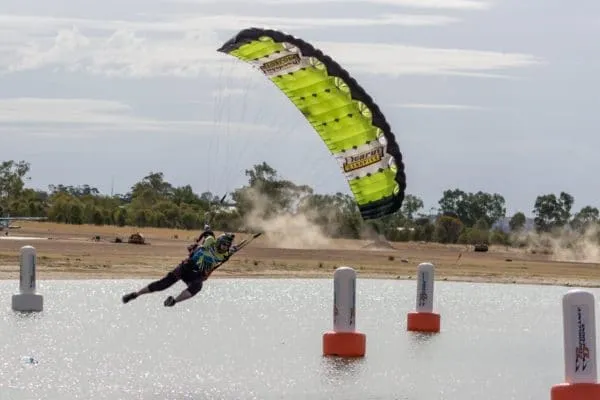
As dropzones grow more crowded and parachutes fly faster, traffic conflicts in the landing area have become one of the sport’s most serious safety hazards. These situations usually happen during the final landing approach, where high-performance canopy pilots and solo jumpers flying predictable patterns converge on the same landing zone. Avoiding these conflicts requires dropzones to enforce strict pattern entry heights, separate landing zones by canopy type, and require constant visual scanning from all pilots.
Microclimates and Rotor Turbulence Vulnerabilities
Winds blowing over large ground obstacles like hangars, tree lines, or rolling hills can create dangerous pockets of turbulent air called rotors near the ground. This unseen turbulence can cause a sudden loss of lift just as a solo jumper is flaring their canopy for landing. Safe operations require laying out landing zones far away from major structures and setting conservative wind maximums to protect jumpers from unexpected shifts in ground-level air currents.
Governance, Maintenance, and Long-Term Adaptation
Regulatory Frameworks and Airworthiness Requirements
National aviation organizations establish the safety rules, instructor certification pathways, and equipment standards that dropzones must follow. These regulatory bodies perform regular audits of member facilities to ensure compliance with training rules, pilot hours, and aircraft maintenance logs. Choosing an operation aligned with these national safety organizations ensures that your training follows standardized safety metrics.
Three-Tier Pre-Flight Inspection Systems
Maintaining equipment reliability requires a strict system of overlapping gear checks performed before every single flight, moving systematically from the gear room to the aircraft door.
-
Pre-Flight Rigging Check: Inspect the deployment pin seating, verify the automatic activation device is turned on, check handle attachment security, and confirm the reserve packing card is current.
-
Flight Line Safety Review: Verify the chest and leg straps are threaded correctly, check the 3-ring release assembly alignment, and ensure the reserve ripcord housing is completely unobstructed.
-
Pre-Exit Cabin Assessment: Confirm the chest strap remains securely locked, check that altimeters are zeroed to ground level, and verify that helmet latches and visors are securely closed.
Measurement, Tracking, and Evaluation
Leading vs. Lagging Safety Metrics
Evaluating a dropzone’s safety requires balancing lagging indicators, like historical incident statistics, with leading metrics that track daily compliance and operational discipline. A facility with an unblemished safety record can develop hidden risks if its staff grows lax about gear inspections or tolerates jumping in marginal weather. Top-tier operations monitor leading indicators, tracking gear non-compliance logs and weather exceptions to fix safety issues before they lead to an accident.
Qualitative Safety Culture Signals
A resilient safety culture shows in daily operational habits that are easy to spot but difficult to track with raw numbers alone. These signals include an instructor’s willingness to cancel student flights during marginal weather, open discussion of mistakes during safety briefings, and active mentorship for newer solo jumpers. Facilities that encourage honest communication build a safer operational environment than locations that hide mistakes to protect their commercial image.
Common Misconceptions and Oversimplifications
Myth: Upfront Financial Savings Identify the Most Efficient Training Programs
Many solo jumpers assume that choosing the lowest-priced jump ticket package will save them money, but budget tiers often cut out essential training resources. These lower-cost options may reduce ground school hours or use older, slower aircraft that limit your actual time in the air. Jumpers in these programs often end up paying extra for remedial training jumps, making comprehensive, turbine-based systems a more cost-effective choice over time.
Myth: Media Packaging Logistics Follow Identical Formats Worldwide
It is common to believe that all skydiving video services use the same shooting style, but camera methods vary significantly between options. Handcam configurations feature a camera worn on the instructor’s wrist, capturing close-up footage of the passenger’s expressions but missing the wider perspective of freefall. Outside camera methods utilize a separate videographer who flies alongside you, capturing spectacular wide shots that include the aircraft exit and full horizon views.
Myth: Training Records Transfer Seamlessly Across Regional Boundaries
Many solo jumpers assume that a training package purchased in one region can be transferred seamlessly to any other dropzone worldwide. However, licensing rules, instructor ratings, and training curricula vary significantly between different national aviation organizations. A solo jumper moving between facilities may face extra check rides and administrative fees to align their records with local requirements, highlighting the value of completing your training within a unified system.
Myth: Group Discounts Secure Automated Priority Status on Weekends
Organizers often assume that booking a large group package guarantees fast access to the aircraft, but high-volume dropzones must manage complex manifest schedules. On busy weekends, regular tandem traffic and sport jumper groups can create scheduling bottlenecks that delay large group events. Choosing the best option requires finding facilities that offer dedicated group coordinators and clear slot guarantees to ensure your event runs smoothly.
Myth: Equipment Rentals Use Uniform Hardware Across Different Tiers
Many solo jumpers believe that rental gear is uniform across the industry, but equipment conditions and tech levels vary significantly between facilities. Premium dropzones invest in modern rental fleets equipped with current AAD systems, lightweight fabrics, and highly adjustable student harnesses. Lower-tier operations may rely on older, heavily worn gear that is harder to adjust comfortably, meaning higher-priced plans often provide better equipment safety.
Myth: Altitude Upgrades Always Include Integrated Oxygen Support Systems
Solo jumpers frequently assume that high-altitude upgrades include personal oxygen support, but requirements vary depending on the target height. Standard flight rules allow unassisted flights up to 15,000 feet for short periods, meaning oxygen systems are only mandatory on extreme high-altitude jumps. High-altitude plans above this limit must include specialized aircraft oxygen systems to protect jumpers from hypoxia, requiring buyers to verify equipment details beforehand.
Myth: Weather Disruption Rules Allow Immediate Out-of-Pocket Cash Reimbursements
Many buyers assume that weather insurance policies provide immediate cash refunds if rain interrupts their scheduled jump day. In reality, most dropzone weather guarantees issue rain checks or gift certificates that are valid for future flight bookings rather than giving cash back. When you evaluate different operational routes, it is essential to read the fine print on weather policies to understand how cancellations impact your budget and travel plans.
Ethical, Practical, or Contextual Considerations
Operating a passenger or solo dropzone requires constant coordination with national air traffic control networks to manage shared airspace safely. Dropzones frequently sit beneath or adjacent to busy commercial flight paths, meaning jump planes must share territory with commercial airliners. Safely dropping skydivers through these corridors demands real-time communication between pilots and air traffic controllers, precise GPS exit timing, and strict adherence to pre-approved flight patterns. A dropzone’s operational reliability depends directly on its ability to navigate these complex airspace rules without causing commercial delays.
Environmental constraints also play a major role in shaping local dropzone operations and pricing structures. High-altitude facilities, like those located in mountain valleys, face unique challenges from thin air and unpredictable mountain wind currents. These conditions require pilots to carefully calculate aircraft performance and demand that canopy pilots adapt to faster ground speeds during landing. Understanding how local geography impacts air performance allows solo jumpers to select environments that match their skill levels and training goals.
Conclusion
Making an informed choice among various civilian flight options requires looking past superficial marketing to carefully analyze aircraft performance, instructional quality, and financial tracking systems. True economic value shows in details like rigorous equipment maintenance, minimized manifest turnaround times, and bulk package configurations that reward consistent participation. Whether you are planning a first solo experience or investing in a long-term team training block, matching your progression goals to an operation’s structural strengths ensures a highly cost-effective athletic pathway.
Long-term financial sustainability in the sport depends on building consistent training habits and managing equipment assets with clear foresight. As hardware design and manifest technologies advance, the most stable financial strategies remain centered on facilities that value transparent operational throughput over short-term promotional volume. By applying disciplined economic models, independent aviators can confidently navigate the global dropzone system, optimizing their resource allocation while sustaining technical progression across diverse flight environments.